
📊 AI-Based Customer Behavior Analysis
✅ Definition
AI-based customer behavior analysis is the process of using artificial intelligence (AI) and machine learning (ML) algorithms to understand, predict, and influence customer actions, preferences, and decision-making patterns.
This analysis helps businesses deliver personalized experiences, increase sales, and build stronger customer relationships.
🔍 Why It Matters
Understanding customer behavior is essential for:
- Personalizing marketing and sales
- Improving customer experience
- Predicting churn
- Optimizing product offerings
AI makes this process faster, more accurate, and scalable across millions of customers.
⚙️ How It Works (Key Components)
1. Data Collection
- Sources: website clicks, mobile apps, CRM systems, social media, purchase history, emails, and customer support interactions.
2. Data Processing
- Use of Natural Language Processing (NLP) to analyze text-based interactions (emails, reviews, chats).
- Use of computer vision to analyze image-based interactions (e.g., fashion choices).
3. Modeling Behavior
- ML algorithms detect patterns in customer behavior.
- Clustering groups customers with similar behaviors.
- Predictive models forecast future actions (e.g., likelihood to buy, churn, upgrade).
4. Insights & Action
- Insights are turned into recommendations (e.g., what product to show next).
- Real-time personalization is implemented on websites, apps, and email marketing.
🔧 AI Techniques Used
| Technique | Purpose |
|---|---|
| Supervised Learning | Predict churn, purchase likelihood |
| Unsupervised Learning | Segment customers into behavioral clusters |
| Reinforcement Learning | Optimize customer journeys in real time |
| Natural Language Processing (NLP) | Analyze customer reviews, support tickets |
| Deep Learning | Image/video analysis for behavioral signals |
💼 Use Cases
🛒 Retail & E-Commerce
- Product recommendation engines
- Cart abandonment prediction
- Dynamic pricing based on demand behavior
📱 Digital Marketing
- Personalized content delivery
- Sentiment analysis for brand perception
- Ad targeting optimization
☎️ Customer Service
- AI chatbots trained on historical behavior
- Predicting customer frustration and escalation
🏦 Banking & Finance
- Transaction analysis for cross-selling products
- Risk profiling based on spending behavior
🌍 Real-World Examples
- Amazon: Uses AI to recommend products based on past purchases, searches, and behaviors.
- Netflix suggests movies/shows using collaborative filtering and deep learning.
- Spotify: Generates Discover Weekly playlists using AI behavior tracking.
- Starbucks: Uses AI to send location-based, behavior-driven offers to its app users.
📈 Benefits
| Benefit | Impact |
|---|---|
| Personalization | Higher conversion and retention rates |
| Predictive Insights | Proactive customer engagement |
| Operational Efficiency | Less reliance on manual analysis |
| Increased ROI | More effective marketing and product strategies |
⚠️ Challenges
- Data privacy & consent (GDPR, CCPA)
- Bias in AI models
- Integration with legacy systems
- Maintaining real-time data accuracy
🔮 Future Trends
- Emotion AI: Understanding customer emotions via facial expressions and tone.
- Voice-based behavior analysis: Using voice patterns for intent detection.
- Cross-device journey mapping: Understanding behavior across phone, web, TV, etc.
- Hyper-personalization: AI-generated individualized content in real-time.
✅ Summary
AI-based customer behavior analysis allows companies to anticipate needs, increase engagement, and personalize at scale—making it a core strategy in customer-centric businesses.
What is AI-Based Customer Behavior Analysis?
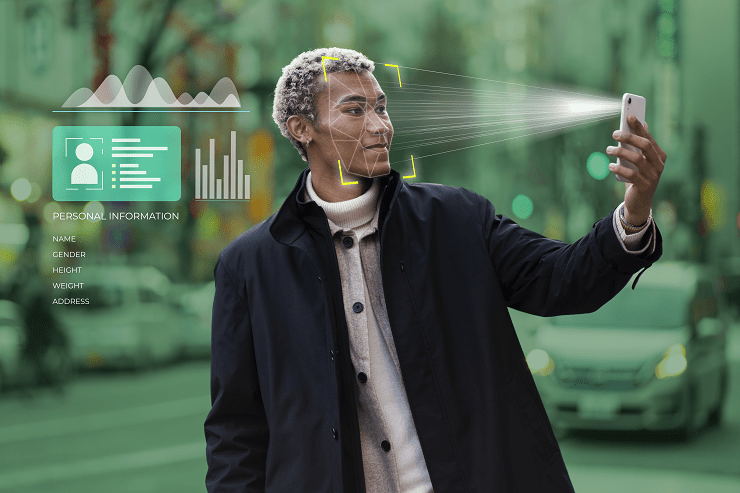
AI-based customer behavior analysis refers to the use of artificial intelligence (AI) and machine learning (ML) to observe, interpret, and predict how customers interact with a product, service, or brand—based on their data and actions.
It helps businesses understand
- What customers are doing (e.g., browsing, purchasing, leaving)
- Why they are doing it (intent, preferences, frustrations)
- What they are likely to do next (future behavior like purchase, unsubscribe, churn)
🧠 Key Concepts
- Artificial Intelligence (AI): Simulates human-like thinking to make sense of vast customer data.
- Machine Learning (ML): Uses historical data to find patterns and make predictions.
- Behavioral Data: Includes page views, clicks, purchase history, time spent, device usage, location, etc.
🔄 How It Works
- Collects customer data from various sources (websites, apps, CRM, social media).
- Analyzes patterns using ML algorithms.
- Segments customers into groups based on behavior.
- Predicts actions such as likelihood to buy, churn, or upgrade.
- Recommends actions to improve engagement or sales (e.g., personalized offers).
💡 Example
A clothing retailer uses AI to:
- Track how long users view certain products
- Recommend outfits based on browsing and purchase history
- Send targeted discounts to those likely to abandon their cart
🎯 Why It Matters
- Delivers personalized experiences
- Increases sales and conversions
- Reduces customer churn
- Helps in data-driven decision-making
Who is Required for AI-Based Customer Behavior Analysis?
To effectively carry out AI-based customer behavior analysis, a combination of roles, departments, and technologies is required. These include:
🧑💼 1. Business Stakeholders
- Marketing Managers —Want to understand customer trends, target segments, and personalize campaigns.
- Sales Teams —Use behavioral insights to qualify leads and suggest products.
- Customer Experience (CX) Managers—Improve user journeys based on behavior patterns.
🧑💻 2. Data & Technology Professionals
| Role | Responsibility |
|---|---|
| Data Scientists | Build and train machine learning models for behavior prediction. |
| Data Analysts | Extract insights from customer data and interpret behavioral trends. |
| AI/ML Engineers | Develop and deploy algorithms to analyze data in real-time. |
| Software Developers | Integrate AI systems into customer-facing platforms (e.g., websites, CRMs). |
| Cloud Engineers | Manage storage and computing infrastructure for large-scale data. |
🧠 3. Tools & Technologies Required
- AI/ML Platforms: TensorFlow, PyTorch, Scikit-learn, Amazon SageMaker
- Customer Analytics Tools: Google Analytics, Mixpanel, Amplitude
- CRM Systems: Salesforce, HubSpot, Zoho
- Data Platforms: Snowflake, BigQuery, Hadoop
- Visualization Tools: Tableau, Power BI, Looker
🏢 4. Organizations & Industries That Require It
- Retail & Ecommerce— To track purchase patterns and predict product interest.
- Banking & Finance—To detect risky behavior or fraud.
- Telecom —To understand usage and prevent churn. Healthcare—
- To monitor patient engagement and adherence.
- Streaming & Media —To recommend content based on past behavior.
🧩 Conclusion
AI-based customer behavior analysis is not the job of one person—it’s a cross-functional effort involving marketing, data, tech, and business teams, all working together to turn raw data into intelligent, customer-centric strategies.
When is required AI-based customer behavior analysis?
Courtesy: AI & Economics Hub
AI-Based Customer Behavior Analysis is required whenever a business wants to better understand, predict, or influence customer actions to improve performance, retention, or satisfaction.
Here are key scenarios and timings:
📅 1. During Customer Acquisition
Goal: Identify what marketing campaigns work best.
- Optimize ad targeting and content
- Predict which leads are likely to convert
- Analyze engagement with websites, landing pages, and social media
🔁 2. During the Customer Journey
Goal: Deliver personalized, real-time experiences.
- Recommend products or services based on browsing/purchase behavior
- Tailor emails and push notifications
- Identify friction points in the buying journey
📉 3. When Churn Risk is High
Goal: Retain customers before they leave.
- Detect patterns that indicate dissatisfaction
- Trigger retention campaigns or customer support intervention
- Offer incentives based on individual behavior
📦 4. After Purchase
Goal: Upsell, cross-sell, and build loyalty.
- Suggest complementary products
- Personalize follow-up communication
- Gather feedback and reviews intelligently
📈 5. During Product or Campaign Planning
Goal: Make data-driven business decisions.
- Use past behavior to forecast future trends
- Segment customers for targeted campaigns
- Decide which products to develop or discontinue
🛑 6. In Crisis or Unusual Behavior Patterns
Goal: React quickly to sudden changes.
- Identify fraud or suspicious activity
- Respond to sudden drop in engagement or traffic
- Adjust strategy during economic or seasonal shifts
🎯 Summary
| Time/Stage | Why AI Behavior Analysis is Needed |
|---|---|
| Lead Generation | Target the right audience |
| Browsing & Shopping | Personalize the experience |
| Post-Purchase | Boost loyalty and lifetime value |
| Signs of Churn | Proactively retain at-risk customers |
| Campaign Planning | Optimize content, timing, and channels |
| Real-Time Interaction | Engage smarter during key moments (e.g., checkout, support) |
Where is Required AI-Based Customer Behavior Analysis?
AI-Based Customer Behavior Analysis is required across multiple platforms, touchpoints, and industries where businesses interact with customers. Here’s a breakdown of where it’s most critically needed:
🌐 1. Digital Platforms
Wherever customers interact online, behavior analysis is valuable.
- E-commerce Websites
To track product views, cart behavior, checkout abandonment, and conversion. - Mobile Apps
To analyze app usage patterns, feature engagement, and in-app purchases. - Social Media Channels
To understand sentiment, engagement trends, and content preferences. - Customer Portals & Dashboards
To personalize content, recommend services, and enhance usability.
🛍️ 2. Retail & Point-of-Sale Locations
Combine offline and online behavior for a 360-degree view.
- In-store shopping behavior via loyalty programs and POS data
- Heatmaps and footfall analysis through smart cameras/sensors
- Personalized promotions at checkout based on AI-driven profiles
🏢 3. Customer Service & Call Centers
Identify satisfaction and pain points through behavior insights.
- Chatbot interactions analyzed for frustration or confusion
- Call transcripts mined for sentiment and issue patterns
- Ticket history reviewed to improve service quality
🏭 4. Across Industries
| Industry | Where Behavior Analysis Is Used |
|---|---|
| Retail & E-Commerce | Online stores, CRM, digital ads |
| Banking & Finance | Transaction logs, mobile apps, ATM usage |
| Telecom | Call usage, recharge behavior, customer care |
| Healthcare | Patient portals, appointment trends, telehealth apps |
| EdTech | Learning platforms, quiz performance, student engagement |
| Streaming & Media | Content views, watch time, device usage |
🧠 5. Within Internal Business Systems
To empower smarter decision-making and automation.
- CRM Systems like Salesforce or Zoho
- Marketing Automation Tools like HubSpot or Mailchimp
- Business Intelligence Tools like Tableau or Power BI
🧩 Summary Table
| Where | Purpose |
|---|---|
| Websites & Apps | Understand digital interactions |
| In-store Locations | Combine physical and digital behavior |
| Customer Service Channels | Improve support quality and speed |
| Cross-channel (omnichannel) | Build full customer profiles |
| Industry-specific platforms | Customize behavior insights to sector needs |
How is Required AI-Based Customer Behavior Analysis?

AI-based customer behavior analysis is implemented through a structured combination of data collection, AI/ML modeling, analytics, and business integration. Below is a step-by-step guide on how it is done and required across industries.
🔍 1. Data Collection
Gather raw customer interaction data from all touchpoints.
| Source | Examples |
|---|---|
| Websites & Apps | Clicks, page views, time spent, search queries |
| Social Media | Likes, shares, comments, engagement metrics |
| CRM Systems | Purchase history, support tickets, loyalty activity |
| POS Systems | In-store purchases, location, payment methods |
| IoT Devices | Device usage patterns, location tracking |
🧹 2. Data Preprocessing
Clean and prepare data for AI/ML use.
- Handle missing or inconsistent data
- Normalize numerical values
- Encode categorical variables (e.g., gender, region)
- Anonymize personal data for privacy (GDPR, HIPAA compliance)
🧠 3. AI/ML Modeling
Use algorithms to discover patterns, predict behavior, and segment users.
Popular Machine Learning Techniques:
| Technique | Purpose |
|---|---|
| Clustering (e.g., K-Means) | Customer segmentation |
| Classification (e.g., Decision Trees, SVM) | Predict churn, intent to buy |
| Regression Models | Forecast sales, LTV (lifetime value) |
| Neural Networks | Complex behavior predictions, deep personalization |
| Natural Language Processing (NLP) | Analyze reviews, chats, support tickets |
📊 4. Analysis & Interpretation
Translate results into actionable insights.
- Dashboards (Power BI, Tableau)
- Heatmaps of user behavior
- Funnel and drop-off analysis
- Cohort analysis for trends over time
⚙️ 5. Integration into Business Systems
Apply insights in real-time to improve customer engagement.
- CRM Integration – Suggest next-best action or product
- Marketing Tools – Trigger personalized campaigns
- Customer Support – Prioritize at-risk customers
- Sales Enablement – Predict high-value leads
♻️ 6. Feedback Loop
Continuously refine AI models based on new data.
- Retrain models periodically
- A/B test different strategies
- Use reinforcement learning for adaptive personalization
📌 Summary Flowchart
markdownCopyEditCustomer Interactions
        ↓
  Data Collection
        ↓
  Data Preprocessing
        ↓
     AI/ML Models
        ↓
   Insight Generation
        ↓
Business Integration → Customer Experience
        ↑
   Continuous Feedback
✅ Real-World Example
Amazon uses AI to:
- Predict what you’re likely to buy next
- Recommend products in real time
- Segment customers for Prime benefits
- Analyze reviews using NLP
Case Study on AI-Based Customer Behavior Analysis?
🧾 Case Study: Walmart – Leveraging AI for Customer Behavior Analysis
🏢 Company Overview:
- Name: Walmart Inc.
- Industry: Retail (online & in-store)
- Scope: Global retail operations with millions of customers daily
🎯 Objective:
To improve personalized shopping experiences, reduce cart abandonment, and increase sales using AI-based customer behavior analysis.
📦 Problem:
- Customers were abandoning carts at a high rate.
- Recommendations were generic, not tailored to individual users.
- Marketing campaigns had low engagement rates.
- Inventory planning was reactive, not predictive.
🤖 AI-Based Solution:
1. Data Collection:
Walmart collected data from:
- Online clickstreams
- Mobile app behavior
- Purchase history
- Location data (in-store and online)
- Social media interactions
2. AI & ML Models Applied:
| Model Type | Purpose |
|---|---|
| Clustering (K-Means) | Customer segmentation based on behavior and preferences |
| Recommendation Engine | Suggest personalized products based on real-time activity |
| Predictive Analytics | Forecast buying intent and product demand |
| NLP (Natural Language Processing) | Analyze product reviews and customer support chats |
3. Implementation:
- Integrated AI models into their e-commerce platform and mobile app.
- Personalized marketing emails and product suggestions.
- Used real-time behavior data to adjust offers dynamically.
- Shared insights with inventory and supply chain teams for predictive stocking.
📊 Results:
| Metric | Before AI | After AI |
|---|---|---|
| Cart Abandonment Rate | 67% | 45% |
| Email Open Rate | 12% | 28% |
| Conversion Rate | 2.5% | 6.8% |
| Inventory Stockouts | Frequent | Reduced by 35% |
- Customer satisfaction scores improved by 22%.
- Repeat purchases increased by 30% within 6 months.
💡 Key Takeaways:
- AI helped Walmart predict customer needs and offer timely, relevant suggestions.
- Real-time behavior tracking reduced cart abandonment.
- Data-driven personalization boosted customer loyalty and revenue.
- Integration of behavior insights into logistics led to smarter supply chain management.
White paper on AI-Based Customer Behavior Analysis?
Courtesy: Digital Thakur
📄 White Paper
AI-Based Customer Behavior Analysis
Transforming Business Decisions with Intelligent Insights
🔍 Executive Summary
In the digital economy, understanding customer behavior is no longer optional—it is critical. Traditional analytics fall short in capturing the complex, real-time nature of customer interactions. Artificial Intelligence (AI) and Machine Learning (ML) provide advanced capabilities to analyze vast amounts of behavioral data, enabling businesses to make predictive, personalized, and profitable decisions.
This white paper explores how AI is revolutionizing customer behavior analysis, detailing the methodologies, benefits, challenges, and real-world applications.
🧠 1. Introduction
Customer behavior analysis involves studying how consumers interact with products, services, and digital platforms. AI enhances this process by automating data collection, applying predictive models, and enabling personalization at scale.
Key Objectives:
- Understand what customers want
- Predict future actions (e.g., churn, purchase)
- Improve user experience
- Drive sales and engagement
📊 2. The Role of AI in Customer Behavior Analysis
| AI Technique | Application |
|---|---|
| Machine Learning | Predict buying behavior, churn, or loyalty |
| NLP | Analyze customer sentiment from reviews or chats |
| Computer Vision | Understand in-store behavior via video |
| Deep Learning | Detect hidden patterns in large datasets |
| Reinforcement Learning | Optimize user journeys and offers in real time |
🔄 3. Data Lifecycle in AI-Based Behavior Analysis
🔹 Step 1: Data Collection
- Web & App Activity (clicks, views, sessions)
- Purchase & Transaction History
- CRM Data
- Social Media Engagement
- Call Center & Chat Logs
🔹 Step 2: Data Processing
- Data cleaning, formatting, integration, and anonymization
🔹 Step 3: Model Building & Training
- Clustering (e.g., K-Means) for segmentation
- Classification (e.g., SVM, Random Forest) for churn prediction
- Neural networks for deep behavior patterns
🔹 Step 4: Actionable Insights
- Dynamic product recommendations
- Real-time campaign personalization
- Predictive customer journey mapping
🏭 4. Industrial Applications
| Industry | Use Case |
|---|---|
| Retail | Personalized shopping, inventory forecasting |
| Banking | Loan eligibility prediction, fraud detection |
| Telecom | Churn prediction, plan recommendations |
| Healthcare | Patient engagement, treatment adherence |
| EdTech | Learner profiling, dropout prediction |
📈 5. Business Impact
| Metric | AI Contribution |
|---|---|
| Customer Retention | +30% improvement via churn prediction |
| Conversion Rate | Doubled with personalized recommendations |
| Campaign ROI | +40% through behavioral targeting |
| Support Efficiency | Faster response with NLP-based analysis |
🧩 6. Challenges & Considerations
- Data Privacy & Compliance (GDPR, HIPAA)
- Bias & Fairness in AI algorithms
- Model Interpretability
- Integration with Legacy Systems
✅ 7. Best Practices
- Build a centralized customer data platform (CDP)
- Invest in explainable AI (XAI) for transparency
- Ensure cross-functional collaboration between data science, marketing, and product teams
- Use A/B testing to validate AI-driven decisions
🔮 8. The Future Outlook
As AI capabilities evolve, we will see:
- Emotion recognition in customer service
- Voice & gesture-based behavior analysis
- Fully autonomous personalization engines
- Greater use of real-time AI models on edge devices
📚 9. Conclusion
AI-based customer behavior analysis empowers organizations to make smarter, faster, and more personalized decisions. By leveraging modern AI tools and models, companies can move from reactive to predictive strategies—transforming customer experience and business outcomes.
📎 Appendix
- List of AI tools: TensorFlow, Scikit-learn, IBM Watson, Amazon Personalize
- Sample model flow diagrams
- Real-world case studies (e.g., Netflix, Amazon, Sephora)
Industrial Application of AI-Based Customer Behavior Analysis?
🏭 Industrial Applications of AI-Based Customer Behavior Analysis
1. Retail & E-commerce
- Personalized Recommendations: AI suggests products based on browsing history, previous purchases, and preferences (e.g., Amazon, Flipkart).
- Dynamic Pricing: Adjusts prices in real time based on demand, competitor pricing, and user behavior.
- Inventory Forecasting: Predicts stock needs based on customer buying trends.
- In-Store Behavior Tracking: AI + cameras analyze movement patterns to improve store layout and product placement.
2. Banking & Financial Services
- Customer Segmentation: AI divides customers into segments for targeted credit cards, loans, or investment options.
- Churn Prediction: Identifies customers likely to switch banks or cancel services.
- Fraud Detection: Flags unusual behaviors or spending patterns in real-time.
- Robo-Advisors: AI tools recommend personalized investment strategies based on customer goals and risk tolerance.
3. Telecommunications
- Plan Optimization: Recommends ideal calling/data plans based on usage patterns.
- Customer Support Automation: AI chatbots handle common queries and escalate complex ones.
- Churn Prevention: Predicts if a customer is likely to leave based on dissatisfaction signals and offers retention deals.
4. Healthcare
- Patient Engagement: Tracks patient behavior to send reminders, health tips, or appointment alerts.
- Predictive Health Monitoring: Uses behavior data (e.g., missed check-ups, inactivity) to detect potential health risks.
- Treatment Adherence: AI nudges patients to follow medication schedules and therapy plans.
5. Hospitality & Travel
- Personalized Offers: AI offers vacation packages, hotel deals, or upgrades based on past travel behavior.
- Chatbots for Customer Queries: AI bots provide instant help with bookings or itineraries.
- Customer Sentiment Analysis: Analyzes reviews to understand service gaps and improve guest experience.
6. Education (EdTech)
- Learner Profiling: Customizes learning paths based on engagement and assessment data.
- Dropout Prediction: AI flags students at risk of leaving a course.
- Course Recommendations: Suggests next modules based on current progress and interests.
7. Automotive
- Driver Behavior Monitoring: AI tracks driving style to customize insurance premiums or suggest vehicle maintenance.
- In-Car Personalization: Adjusts music, temperature, or route suggestions based on user habits.
8. Entertainment & Media
- Content Recommendations: Netflix, YouTube, and Spotify use AI to suggest what users are likely to enjoy next.
- Ad Personalization: AI determines which ads a user is most likely to engage with.
✅ Benefits Across Industries
- Enhanced customer experience
- Increased sales and loyalty
- Reduced operational costs
- Better product or service innovation
- Improved marketing ROI
References
[edit]
- ^ Jump up to:a b Miller, Ron (December 15, 2024). “What exactly is an AI agent?”.
- ^ Jump up to:a b c “Battle bots: RPA and agentic AI”. CIO.
- ^ Jump up to:a b Leitner, Hendrik (July 15, 2024). “What Is Agentic AI & Is It The Next Big Thing?”. SSON.
- ^ Jump up to:a b “The Evolution of Agentic AI: From Concept to Reality”. January 22, 2025.
- ^ O’Brien, P. D.; Wiegand, M. E. (July 1998). “Agent based process management: applying intelligent agents to workflow”. The Knowledge Engineering Review. 13 (2): 161–174. doi:10.1017/S0269888998002070.
- ^ Bandura, Albert (October 15, 2020). “Social Cognitive Theory: An Agentic Perspective”. Psychology: The Journal of the Hellenic Psychological Society. 12 (3): 313. doi:10.12681/psy_hps.23964.
- ^ Catherine, Moore (July 28, 2016). “Albert Bandura: Self-Efficacy & Agentic Positive Psychology”. PositivePsychology.com.
- ^ Devlin, Kieran (March 6, 2025). “Salesforce To Empower Employee Experience with AgentExchange Agentic AI”. UC Today. Retrieved March 13, 2025.
- ^ Shinde, Yogesh (August 23, 2024). “AI Robots : Transforming Industries with Smart Robotic Solutions”. RoboticsTomorrow.
- ^ Jump up to:a b c d e f “Agentic AI: 6 promising use cases for business”. CIO.
- ^ “AI-based predictive maintenance”. siemens.com Global Website. Retrieved April 10, 2025.
- ^ “DeepMind’s AI detects over 50 eye diseases with 94% accuracy, study shows | Healthcare Dive”. www.healthcaredive.com. Retrieved April 10, 2025.
- ^ Ye, Yining; Cong, Xin; Tian, Shizuo; Cao, Jiannan; Wang, Hao; Qin, Yujia; Lu, Yaxi; Yu, Heyang; Wang, Huadong; Lin, Yankai; Liu, Zhiyuan; Sun, Maosong (2023). “ProAgent: From Robotic Process Automation to Agentic Process Automation”. arXiv:2311.10751 [cs.RO].
- References
- [edit]
- ^ Jump up to:a b Godovykh, Maksim; Tasci, Asli D.A. (July 2020). “Customer experience in tourism: A review of definitions, components, and measurements” (PDF). Tourism Management Perspectives. 35: 100694. doi:10.1016/j.tmp.2020.100694. ISSN 2211-9736. S2CID 219478840.
- ^ Bagdare, Shilpa; Jain, Rajnish (2013-09-02). “Measuring retail customer experience”. International Journal of Retail & Distribution Management. 41 (10): 790–804. doi:10.1108/ijrdm-08-2012-0084. ISSN 0959-0552.
- ^ Shaw, Colin (2007), “The Attention Cluster”, The DNA of Customer Experience, London: Palgrave Macmillan UK, pp. 67–85, doi:10.1057/9780230210813_5, ISBN 978-1-349-35237-1
- ^ Gentile, Chiara; Spiller, Nicola; Noci, Giuliano (October 2007). “How to Sustain the Customer Experience”. European Management Journal. 25 (5): 395–410. doi:10.1016/j.emj.2007.08.005. ISSN 0263-2373.
- ^ “Understanding Customer Experience”. Harvard Business Review. 2007-02-01. ISSN 0017-8012. Retrieved 2021-01-09.
- ^ Kahneman, D.; Wakker, P. P.; Sarin, R. (1997-05-01). “Back to Bentham? Explorations of Experienced Utility”. The Quarterly Journal of Economics. 112 (2): 375–406. doi:10.1162/003355397555235. hdl:1765/23011. ISSN 0033-5533.
- ^ Godovykh, Maksim; Tasci, Asli D. A. (2020-05-26). “Satisfaction vs experienced utility: current issues and opportunities” (PDF). Current Issues in Tourism. 23 (18): 2273–2282. doi:10.1080/13683500.2020.1769573. ISSN 1368-3500. S2CID 219745029.
- ^ Wirtz, Derrick; Kruger, Justin; Scollon, Christie Napa; Diener, Ed (September 2003). “What to Do on Spring Break?”. Psychological Science. 14 (5): 520–524. doi:10.1111/1467-9280.03455. ISSN 0956-7976. PMID 12930487. S2CID 38682592.
- ^ Manning, Harley; Bodine, Kerry (28 August 2012). “The 6 Disciplines Behind Consistently Great Customer Experiences”. Fast Company. Retrieved 7 May 2015.
- ^ Sebor, Jessica (2008-02-20). “CRM Gets Serious”. CRM Magazine. Retrieved 2008-05-13.
- ^ University of Pennsylvania, Barbara E. Kahn, accessed 23 June 2023
- ^ Jump up to:a b c d e Andajani, Erna (2015-11-25). “Understanding Customer Experience Management in Retailing”. Procedia – Social and Behavioral Sciences. 2nd Global Conference on Business and Social Sciences (GCBSS-2015) on “Multidisciplinary Perspectives on Management and Society”, 17–18 September 2015, Bali, Indonesia. 211: 629–633. doi:10.1016/j.sbspro.2015.11.082.
- ^ Holbrook, Morris B.; Hirschman, Elizabeth C. (1982-09-01). “The Experiential Aspects of Consumption: Consumer Fantasies, Feelings, and Fun”. Journal of Consumer Research. 9 (2): 132–140. doi:10.1086/208906. ISSN 0093-5301. S2CID 53509469.
- ^ Schmitt, Bernd (2011). Experience Marketing: Concepts, Frameworks and Consumer Insights (PDF). Columbia Business School. p. 87.
- ^ Pine, J; Pine, J. H (1999). The Experience Economy: Work is Theatre and Every Business a Stage. Harvard Business Press, Boston.
- ^ Jump up to:a b Kotler, P., Burton, S., Deans, K., Brown, L., & Armstrong, G. (2013). Marketing (9th ed.). NSW, Australia: Pearson Australia.
- ^ Oxford. (2016). touchpoint – definition of touchpoint in English from the Oxford dictionary. Retrieved from http://www.oxforddictionaries.com/definition/english/touchpoint Archived 2016-04-14 at the Wayback Machine
- ^ Bailey, P. (2015). marketing to the senses: multi-sensory strategy to align the brand touchpoints. Retrieved March 29, 2016, from http://www.warc.com
- ^ Trischler, J., & Westman Trischler, J. (2022). Design for experience–a public service design approach in the age of digitalization. Public Management Review, 24(8), 1251-1270.
- ^ “Welcome to the Experience Economy”. Harvard Business Review. 1998-07-01. ISSN 0017-8012. Retrieved 2021-01-09.
- ^ Jump up to:a b “A study on holistic customer experience in selected resort hotels in China”. European Journal of Tourism Research. 2016.
- ^ Jump up to:a b Kim, Junghyun; Ah Yu, Eun (2016-02-18). “The Holistic Brand Experience of Branded Mobile Applications Affects Brand Loyalty”. Social Behavior and Personality. 44 (1): 77–87. doi:10.2224/sbp.2016.44.1.77.
- ^ Jump up to:a b c d Ren, Lianping; Qiu, Hanqin; Wang, Peilai; Lin, Pearl M. C. (2016-01-01). “Exploring customer experience with budget hotels: Dimensionality and satisfaction”. International Journal of Hospitality Management. 52: 13–23. doi:10.1016/j.ijhm.2015.09.009. hdl:10397/43654.
- ^ Jump up to:a b Tynan, Caroline; McKechnie, Sally; Hartley, Stephanie (2014-08-01). “Interpreting value in the customer service experience using customer-dominant logic”. Journal of Marketing Management. 30 (9–10): 1058–1081. doi:10.1080/0267257X.2014.934269. ISSN 0267-257X. S2CID 167935053.
- ^ Liu, Stephanie Q (May 2024). “AI concierge in the customer journey: what is it and how can it add value to the customer?”. Journal of Service Management. 35 (6): 136–158. doi:10.1108/JOSM-12-2023-0523 – via emerald.
- ^ Hart, Cathy; Stachow, Grazyna; Cadogan, John W. (2013-11-01). “Conceptualising town centre image and the customer experience”. Journal of Marketing Management. 29 (15–16): 1753–1781. doi:10.1080/0267257X.2013.800900. ISSN 0267-257X. S2CID 167342578.
- ^ Trischler, J., Pervan, S. J., Kelly, S. J., & Scott, D. R. (2018). The value of codesign: The effect of customer involvement in service design teams. Journal of Service Research, 21(1), 75-100.
- ^ “Customer Experience Management: What it is and why it matters”. SAS. Retrieved 7 May 2015.
- ^ Rae, Jeananne (2006-11-27). “The Importance of Great Customer Experiences”. Bloomberg.com. Business Week. Archived from the original on June 26, 2012. Retrieved 2012-01-05.
- ^ Jump up to:a b “Customer Experience Management Market Report, 2021-2028”. www.grandviewresearch.com. Retrieved 2021-08-11.
- ^ “The top 10 biggest technology companies in the US in 2023”. technologymagazine.com. 2023-03-22. Retrieved 2023-05-02.
- ^ Bernd H. Schmitt. (2003), Customer Experience Management: A Revolutionary Approach to Connecting with Your Customers, Wiley, ISBN 978-0-471-23774-7
- ^ Richardson, A. (2010, 10 28). Understanding the customer experience. Retrieved from Harvard Business Review Blog Network: http://blogs.hbr.org/cs/2010/10/understanding_customer_experie.html
- ^ Allen, James, R., Frederick F, H., & Barney. (2005, 11 07). The Three “D”‘s of Customer Service. Retrieved from Harvard Business School: http://hbswk.hbs.edu/archive/5075.html
- ^ Dorman, Stuart. “The Future Is Customer Experience Management”. Avaya. Retrieved 7 May 2015.
- ^ Jump up to:a b c d Grewal, Dhruv; Levy, Michael; Kumar, V. (2009-03-01). “Customer Experience Management in Retailing: An Organizing Framework”. Journal of Retailing. Enhancing the Retail Customer Experience. 85 (1): 1–14. doi:10.1016/j.jretai.2009.01.001. S2CID 59147390.
- ^ C, Meyer; A, Schwager (2007). “Understanding Customer Experience”. Harvard Business Review. 85 (2): 1–12. PMID 17345685.
- ^ “Customer Experience”. asq.org. Retrieved 2018-07-02.
- ^ Jump up to:a b Frow, P.; Payne, A. (2007). “Towards the ‘perfect’ customer experience”. Journal of Brand Management. 15 (2): 89–101. doi:10.1057/palgrave.bm.2550120. S2CID 167404686.
- ^ Ng, Sandy (2011). “Generating positive word-of-mouth in the service experience”. Managing Service Quality. 21 (2). Emerald Group Publishing Limited: 133–151. doi:10.1108/09604521111113438. Retrieved July 26, 2019.
- ^ Nasoi, Roxana (2017-08-23). “6 Customer Journey Mapping Examples: How UX Pros Do It”. CXL. Retrieved 9 June 2018.
- ^ Service Design Tools. (n.d.). Customer Journey Map. Retrieved March 29, 2016, from www.servicedesigntools.org/tools/8
- ^ West Virginia University. (2015). Integrated Marketing Communications. Retrieved March 29, 2016, from http://imc.wvu.edu/about/what_is_imc
- ^ Nasoi, Roxana (2017-08-23). “6 Customer Journey Mapping Examples: How UX Pros Do It”. CXL. Retrieved 9 June 2018.
- ^ Klaus, P. (2014). “Towards practical relevance — Delivering superior firm performance through digital customer experience strategies”. J Direct Data Digit Mark Pract. 15 (4): 306–316. doi:10.1057/dddmp.2014.20.
- ^ Palmer, A. (2010). “Customer experience management: a critical review of an emerging idea”. Journal of Services Marketing. 24 (3): 196–208. doi:10.1108/08876041011040604.
- ^ “Contact Center as a Service Market Size to Reach USD 17.19 Billion in 2030”. Bloomberg. May 23, 2022.
- ^ Chen, Ying; Prentice, Catherine (2024). “Integrating Artificial Intelligence and Customer Experience”. Australasian Marketing Journal. doi:10.1177/14413582241252904.
- ^ “Conversational AI revolutionizes the customer experience landscape”. MIT Technology Review. February 26, 2024.
- ^ Dahlen, M., Lange, F., & Smith, T. (2010). Marketing communications: A brand narrative approach. West Sussex, uk: John Wiley & Sons.
- ^ Marcom Projects. (2007). Persuasion in everyday life [Video file]. Retrieved from https://aut.kanopystreaming.com/video/persuasion-everyday-life
- ^ Petty, R. E.; Cacioppo, J. T. (1986). “Central and peripheral routes to persuasion: An individual different perspective”. Journal of Personality and Social Psychology. 51 (5): 1032–1045. doi:10.1037/0022-3514.51.5.1032.
- ^ Campbell, M. C.; Kirmani, A. (2000). “Consumers’ use of persuasion knowledge: The effects of accessibility and cognitive capacity on perceptions of an influence agent”. Journal of Consumer Research. 27 (1): 1–15. CiteSeerX 10.1.1.1027.9833. doi:10.1086/314309.
- ^ Jump up to:a b Customer Relationship Management. Excel Books India. 2007-01-01. ISBN 9788174465313.
- ^ David Court; et al. (2009), The consumer decision journey, McKinsey&Company, archived from the original on 2015-05-01, retrieved 2015-04-28
- ^ Jump up to:a b Wolny, J.; Charoensuksai, N. (2014). “Mapping customer journeys in multichannel decision-making”. Journal of Direct, Data and Digital Marketing Practice. 15 (4): 317–326. doi:10.1057/dddmp.2014.24.
- ^ Jump up to:a b Berman, S. J. (2012). “Digital transformation: opportunities to create new business models”. Strategy & Leadership. 40 (2): 16–24. doi:10.1108/10878571211209314.
- ^ Diaz Ruiz, Carlos (2024-06-13), “Customer Journeys”, Elgar Encyclopedia of Consumer Behavior, Edward Elgar Publishing, pp. 134–136, doi:10.4337/9781803926278.ch42, ISBN 978-1-80392-627-8, retrieved 2024-06-14
- ^ McKendrick, Joe (March 8, 2023). “Executives Need to Invest in Understanding the Customer Experience”. Harvard Business Review.
- ^ “From friction to satisfaction: Redefining customer experience”. Fast Company. September 20, 2022.
- ^ Afshar, Vala (August 2, 2023). “How to achieve hyper-personalization using generative AI platforms”. ZDNet.
- ^ Richardson, Adam (15 November 2010). “Using Customer Journey Maps to Improve Customer Experience”. Harvard Business Review.
- ^ Jump up to:a b Customer Journey – a method to investigate user experience June 30, 2016
- ^ “How top brands are using AI to improve customer experience”. Marketing Week. September 10, 2019.
- ^ Jump up to:a b Puccinelli, Nancy M.; Goodstein, Ronald C.; Grewal, Dhruv; Price, Robert; Raghubir, Priya; Stewart, David (2009-03-01). “Customer Experience Management in Retailing: Understanding the Buying Process”. Journal of Retailing. Enhancing the Retail Customer Experience. 85 (1): 15–30. doi:10.1016/j.jretai.2008.11.003.
- ^ “How Digital Visualisation Tools are Driving New Retail Sales and Marketing Models”. digitalmarketingmagazine.co.uk. 5 May 2017. Retrieved 17 March 2018.
- ^ “Five innovators of the in-store customer experience”. econsultancy.com. 2017-07-26. Archived from the original on 2018-03-18. Retrieved 17 March 2018.
- ^ “How Rebecca Minkoff uses tech to make her fashion stores stand out”. engadet.com. 25 December 2016. Retrieved 17 March 2018.
- ^ B-to-B CMOs: It’s Time to Own the Customer Experience, Sheryl Pattek. September 02, 2015. AdAge. “43% of CMOs told us that they owned customer experience in their organization”
- References
- [edit]
- ^ Bardicchia, Marco (12 June 2020). Digital CRM: Strategies and Emerging Trends: Building Customer Relationship in the Digital Era (4th ed.). Amazon Digital Services LLC – Kdp. pp. 12–19. ISBN 979-8645574802.
- ^ Shaw, Robert (1991). Computer-Aided Marketing & Selling. Butterworth Heinemann. ISBN 978-0-7506-1707-9.
- ^ “Management Tools – Customer Relationship Management – Bain & Company”. www.bain.com. Retrieved 23 November 2015.
- ^ Hargrave, Marshall. “Customer Relationship Management – CRM goes beyond just software”. Investopedia. Retrieved 5 June 2021.
- ^ “Customer Relationship Management [CRM] Market Size, 2032”. www.fortunebusinessinsights.com. Retrieved 25 June 2024.
- ^ “CRM History: The Evolution Of Better Customer Service”. www.streetdirectory.com. Retrieved 24 May 2020.
- ^ “Software survey: CRM systems in 2021”. Accounting Today. 27 May 2021. Retrieved 2 June 2021.
- ^ Vitek, Chris (10 January 2017). “How Context Sits at Intersection of CRM, ACD”. No Jitter. Retrieved 8 June 2017.
- ^ Mukherjee, Sharmistha (2 February 2017). “How to build a global company from a small town: The Zoho story”. TECHSEEN. Retrieved 17 May 2022.
- ^ “SAP R/3 SD Wiki”. Retrieved 7 January 2019.
- ^ Jump up to:a b “It’s official: Oracle closes on PeopleSoft acquisition”. Computerworld. 10 January 2005. Retrieved 18 August 2021.
- ^ “Navision 3.0”. Archived from the original on 3 June 2021. Retrieved 7 January 2019.
- ^ Jump up to:a b c “History of CRM Software”. comparecamp.com. Retrieved 8 February 2017.
- ^ Jha, Lakshman (2008). Customer Relationship Management: A Strategic Approach. Global India Publications. ISBN 9788190721127. Retrieved 8 June 2017.
- ^ “Gartner Announces Customer Relationship Management Summit 2009”. Gartner (Press release). 5 August 2009. Archived from the original on 22 January 2014. Retrieved 8 February 2017.
- ^ “Industry Specific/Vertical Market CRM Solutions”. smallbizcrm.com. Retrieved 8 February 2017.
- ^ The Forrester Wave: CRM Suites For Enterprise Organizations, Q4 2016 (Report). Forrester. 21 November 2016. Retrieved 13 September 2017.
- ^ Buttle, Francis; Maklan, Stan (11 February 2015). Customer Relationship Management: Concepts and Technologies. Routledge. ISBN 9781317654766.
- ^ Feiz, Setareh; Ghotbabadi, Ali Ramezani; Khalifah, Zainab Bte (2016). “Customer Lifetime Value in Organizations”. Asian Journal of Research in Social Sciences and Humanities. 6 (5): 53. doi:10.5958/2249-7315.2016.00103.9. ISSN 2249-7315.
- ^ Jump up to:a b c d “Types of CRM and Examples”. CRM Software. Retrieved 22 November 2015.
- ^ Jump up to:a b “What is sales force automation (SFA)? – Definition from WhatIs.com”. WhatIs.com. Retrieved 26 November 2015.
- ^ Buttle, Francis (2003). Customer relationship management. London: Routledge. ISBN 9781136412578.[page needed]
- ^ Jump up to:a b c d “What is customer relationship management (CRM) ? – Definition from WhatIs.com”. SearchCRM. Retrieved 22 November 2015.
- ^ Josiah, Ahaiwe; Ikenna, Oluigbo (February 2015). “Role of Technology in Accounting and E-accounting”. International Journal of Computer Science and Mobile Computing. 4 (2): 208–215. Retrieved 27 October 2018.
- ^ Jump up to:a b c Tavana, Ali Feizbakhsh; Fili, Saeed.; Tohidy, Alireza; Vaghari, Reza; Kakouie, Saed (November 2013). “Theoretical Models of Customer Relationship Management in Organizations”. International Journal of Business and Behavioral Sciences. 3 (11). S2CID 167523749.
- ^ Jump up to:a b Greenberg, Paul (13 February 2017). “How customer data platforms can benefit your business”. ZDNet.
- ^ Jump up to:a b Reinartz, Werner; Krafft, Manfred; Hoyer, Wayne D. (August 2004). “The Customer Relationship Management Process: Its Measurement and Impact on Performance”. Journal of Marketing Research. 41 (3): 293–305. doi:10.1509/jmkr.41.3.293.35991. S2CID 167683988.
- ^ Jump up to:a b “What’s Your Relational Intelligence?”. strategy+business. Retrieved 23 November 2015.
- ^ Jump up to:a b c d Avery, Jill; Fournier, Susan; Wittenbraker, John (July–August 2014). “Unlock the Mysteries of Your Customer Relationships”. Harvard Business Review. Retrieved 22 November 2015.
- ^ Zeng, Yun E; Wen, H. Joseph; Yen, David C (1 March 2003). “Customer relationship management (CRM) in business-to-business (B2B) e-commercenull”. Information Management & Computer Security. 11 (1): 39–44. doi:10.1108/09685220310463722. ISSN 0968-5227.
- ^ Bolton, Ruth N. (1998). “A Dynamic Model of the Duration of the Customer’s Relationship with a Continuous Service Provider: The Role of Satisfaction”. Marketing Science. 17 (1): 45–65. doi:10.1287/mksc.17.1.45.
- ^ Fornell, Claes (January 1992). “A National Customer Satisfaction Barometer: The Swedish Experience”. Journal of Marketing. 56: 6–22. doi:10.1177/002224299205600103.
- ^ Jump up to:a b c Mithas, Sunil; Krishnan, M.S.; Fornell, Claes (October 2005). “Why Do Customer Relationship Management Applications Affect Customer Satisfaction?”. Journal of Marketing. 69 (4): 201–209. doi:10.1509/jmkg.2005.69.4.201. S2CID 4650003.
- ^ Jump up to:a b Piccoli, Gabriele; Applegate, L. (2003). Wyndham International: Fostering High-Touch with High-Tech (Report). Harvard Business School.
- ^ Leach, B. (2003). “Success of CRM systems hinges on the establishment of measurable benefits”. Pulp & Paper. 77 (6): 48.
- ^ Richards, A. Keith; Jones, E. (2008). “Customer relationship management: Finding value drivers”. Industrial Marketing Management. 37 (2): 120–130. doi:10.1016/j.indmarman.2006.08.005.
- ^ Jump up to:a b c “The story behind successful CRM – Bain & Company”. www.bain.com. June 2002. Retrieved 23 November 2015.
- ^ DeVault, Gigi (28 March 2012). “Wondering How to Create the Ideal Consumer Profile? Learn the Basics”. The Balance Small Business. Retrieved 15 August 2018.
- ^ “A Dozen Simple Ways to Improve Customer Relations – Enterprise Apps Today”. www.enterpriseappstoday.com. 27 July 2011. Retrieved 23 November 2015.
- ^ “A CRM success story”. Computerworld. 7 November 2002. Retrieved 23 November 2015.
- ^ Avery, Jill. (2014). “Unlock the Mysteries of Your Customer Relationships”, Harvard Business Review. August 2014. https://hbr.org/2014/07/unlock-the-mysteries-of-your-customer-relationships Retrieved: 20 November 2015
- ^ “9 Ways to Improve Your Company’s CRM System”. CIO. Retrieved 23 November 2015.
- ^ “Still Struggling to Reduce Call Center Costs Without Losing Customers?”. SAP Insider. 15 November 2007. Archived from the original on 16 January 2012.
- ^ Genesys. “What Is Contact Center CRM?”.
- ^ “The contact center and CRM collision leads to a new dominant species”. Network World. 2 March 2017. Archived from the original on 2 March 2017.
- ^ “Gamification Comes to the Contact Center”. CRM Magazine. January 2014. Retrieved 26 November 2015.
- ^ “CRM in Customer Service”. CRM Magazine. Archived from the original on 23 September 2015. Retrieved 22 November 2015.
- ^ “Contact center automation takes flight”. SearchCRM. Archived from the original on 21 August 2018. Retrieved 26 November 2015.
- ^ Dwivedi, Yogesh K.; Ismagilova, Elvira; Hughes, D. Laurie; Carlson, Jamie; et al. (August 2021). “Setting the future of digital and social media marketing research: Perspectives and research propositions”. International Journal of Information Management. 59. doi:10.1016/j.ijinfomgt.2020.102168. hdl:10454/18041. Retrieved 25 June 2023.
- ^ Roberts-Phelps, Graham (2001). Customer Relationship Management: How to Turn a Good Business Into a Great One!. Thorogood. p. 140. ISBN 978-1854181190.
- ^ Prasongsukarn, Kriengsin (2006). “Customer relationship management from theory to practice: Implementation steps”. Inspire Research Company.
- ^ Henderson, Rebekah (2013). “How to build a B2B-friendly CRM”. B2B Insights. Archived from the original on 28 December 2017.
- ^ “B2B Marketing: What Makes It Special? | B2B International”. B2B International. Retrieved 22 November 2015.
- ^ CRM Trends in Insurance Industry Archived 17 July 2021 at the Wayback MachineCRM Trends in Insurance Industry: April 2010
- ^ Greenberg, Paul (2009). CRM at the Speed of Light (4th ed.). McGraw Hill. p. 7.
- ^ “Closing More Deals With NoCRM.io’s Improved Mobile App”. CRM.org. 23 August 2018. Retrieved 29 June 2022.
- ^ “Salesforce Platform”. Salesforce.com. Retrieved 29 June 2022.
- ^ “What Is Mobile CRM? Definition, Features & Best Apps”. CRM.org. 19 December 2018. Retrieved 29 June 2022.
- ^ Put Cloud CRM to Work PC World: April 2010
- ^ Oracle Buys Cloud-based Customer Service Company RightNow For $1.5 Billion Techcrunch: 24 October 2011
- ^ “News Analysis: The Implications Of Oracle’s Acquisition Of Taleo”. Enterprise Irregulars. 9 February 2012. Retrieved 4 August 2021.
- ^ “Oracle to Buy Eloqua in $810 Million Deal”. The Wall Street Journal. 20 December 2012. ISSN 0099-9660. Retrieved 4 August 2021.
- ^ SAP Challenges Oracle With $3.4 Billion SuccessFactors Purchase Bloomberg Businessweek: 7 December 2011
- ^ “NetSuite acquires most of Verenia, the CPQ and CRM vendor”. enterprise times. 10 January 2022.
- ^ “CRM Trends 2021: How the Pandemic Altered Customer Behavior Forever”. www.informationweek.com. 18 February 2021. Retrieved 4 August 2021.
- ^ Forrester. “Three Key CRM Trends In 2021 That Will Allow You To Better Engage Your Customers”. Forbes. Retrieved 4 August 2021.
- ^ Gagliordi, Natalie. “Oracle announces in-game ad measurement technology in new CX portfolio update”. ZDNet. Retrieved 18 August 2021.
- ^ “Gartner’s Top 54 CRM Case Studies, Sorted by Industry, for 2005”. Retrieved 20 May 2005.
- ^ Destinationcrm.com CRM Magazine: May 2010
- ^ Nirpaz G., Pizarro F., Farm Don’t Hunt: The Definitive Guide to Customer Success, March 2016, p. 101
- ^ “7 Top CRM Trends for 2017: A Look Ahead”. CMS Wire.
- ^ “CRM and ERP: What’s The Difference?”. CRM Switch. 8 August 2013. Retrieved 26 November 2015.
- ^ “Demystifying CRM Adoption Rates”. CRM Magazine. 1 July 2006. Retrieved 22 November 2015.
- ^ It’s all about the Customer, Stupid – The Importance of Customer-Centric Partners.[full citation needed]
- ^ Dickie, Jim (1 July 2006). “Demystifying CRM Adoption Rates”. Destination CRM. Retrieved 18 October 2024.
- ^ Joachim, David (11 March 2002). “CRM tools improve access, usability”. B to B. Vol. 87, no. 3.
- ^ Law, Monica; Lau, Theresa; Wong, Y.H. (2003). “From customer relationship management to customer-managed relationship: unraveling the paradox with a co-creative perspective”. Marketing Intelligence & Planning. 21 (1): 51–60. doi:10.1108/02634500310458153. hdl:10397/60525.
- ^ Nguyen, Bang; Simkin, Lyndon (2013). “The dark side of CRM: Advantaged and disadvantaged customers” (PDF). Journal of Consumer Marketing. 30: 17–30. doi:10.1108/07363761311290812.
- ^ Nguyen, B.; Lee-Wingate, S. N.; Simkin, L. (2014). “The customer relationship management paradox: Five steps to create a fairer organisation” (PDF). Social Business. 4 (3): 207–230. doi:10.1362/204440814X14103454934177.