
Author name: Mukesh Singh

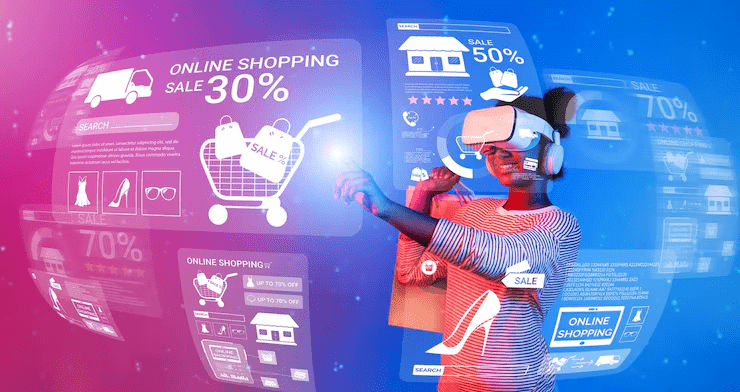
5D Virtual Shopping Environments
Uncategorized

5D Virtual Shopping Environments

🔷 What Does “5D” Mean in This Context? The “5D” in virtual environments is not a strict scientific term like 3D or 4D in physics, but rather a conceptual model that incorporates five experiential dimensions: Dimension Description 1D – Information Static content such as text, product specs, and images. Clicking, scrolling, and andasic navigation (like traditional websites). 3D—Immersion 3D – Immersion 4D—Time-based Experiences 4D – Time-based Experiences 5D—Multi-sensory & AI Personalization 5D – Multi-sensory & AI Personalization Integration of touch, sound, haptics, voice, AI-driven suggestions, and personalized product simulations. Could also include AR/VR and even scent or emotion detection in advanced setups. 🔶 Features of 5D Virtual Shopping Environments 🔷 Use Cases 🔶 Technology Stack Involved 🔷 Benefits 🔴 Challenges If you’re planning to develop or explore a 5D virtual shopping environment, I can help you with: What is a 5D virtual shopping environment ? ✅ What is a 5D virtual shopping environment? A 5D virtual shopping environment is an advanced, immersive digital shopping experience that combines multiple technologies—like 3D environments, real-time interactions, AI personalization, and multi-sensory feedback—to simulate or even enhance real-world shopping. It’s not a scientific term like “3D,” but rather a conceptual idea used in technology and marketing to represent a richer, more immersive shopping experience than traditional online shopping or basic VR. 🔷 Breaking Down the “5D” in Simple Terms: Dimension Meaning in Shopping Environment 1D – Information Static product data (name, price, description, image). 3D—Immersive Space Clicking, browsing like on a normal e-commerce site. 3D – Immersive Space AI-based personalization, haptic touch, voice control, and even emotion detection or AR/VR integration. 4D – Real-Time Experience Live events, time-based offers, talking to virtual assistants. 5D – Multi-Sensory + AI AI-based personalization, haptic touch, voice control, even emotion detection or AR/VR integration. 🎯 Main Features of a 5D Virtual Shopping Environment: 📦 Example Scenario: You’re shopping for a pair of sneakers. In a 5D virtual shopping experience: 🛍️ Benefits: ❗ Challenges: Who is Required 5D virtual shopping environment? ✅ Who Needs a 5D Virtual Shopping Environment? A 5D virtual shopping environment is ideal for businesses, industries, and consumers looking for a highly immersive, interactive, and personalized online shopping experience. 🎯 1. Businesses & Brands (Who Should Implement It) Type of Business Why They Need 5D Shopping Fashion & Apparel Brands Virtual try-ons, reduce returns, showcase collections in 3D. Furniture & Home Décor Stores 3D car showrooms, virtual test drives, and customization previews. Luxury Goods Exclusive, premium shopping experience; virtual boutique tours. E-commerce Platforms (Amazon, Shopify, etc.) Compete with physical retail by offering immersive experiences. Automotive Companies Interactive product demos, 360° views, and voice-command help. Beauty & Cosmetics Brands AR makeup try-ons, real-time product comparison. Tech & Electronics Interactive product demos, 360° views, and voice command help. Real Estate Agencies Virtual home tours with real-time agent interaction. 🧑‍🤝‍🧑 2. Consumers (Who Will Use It) Type of Consumer Why They Benefit Online Shoppers More realistic shopping, fewer product returns, fun & interactive. Remote Customers Access premium products without visiting physical stores. Tech-Savvy Users Enjoy gamified, social shopping via VR/AR. Disabled Users Can explore virtual stores with accessible tools from home. Fashion/Style Enthusiasts Virtual dressing rooms, AI stylists, real-time suggestions. Gamers & Metaverse Users Integrates with virtual worlds like Roblox, Fortnite, or Meta Horizon. 🏢 3. Industries & Organizations (For B2B Needs) 🧠 Summary: A 5D virtual shopping environment is especially needed by: When is Required 5D virtual shopping environment? ✅ When is a 5D Virtual Shopping Environment Required? A 5D virtual shopping environment is not always necessary, but it becomes valuable or even essential when specific business goals, customer needs, or competitive factors demand a more immersive, interactive, and personalized shopping experience. 🕒 You Need a 5D Virtual Shopping Environment When: 🔶 1. You Sell Complex, Experience-Based, or High-Value Products 🔶 2. You Want to Offer a Premium or Luxury Experience 🔶 3. You Are Targeting Gen Z or Digital-First Customers 🔶 4. You Want to Reduce Product Returns 🔶 5. You’re Hosting Virtual Events, Trade Shows, or Product Launches 🔶 6. You’re Expanding Globally Without Physical Stores 🔶 7. Your Competitors Are Adopting Immersive Tech 🔶 8. Your Brand is Entering the Metaverse or Web3 🧠 Summary Situation Is 5D Required? Selling basic items (e.g., pens, soap) ❌ Not required Selling luxury/experience-based goods ✅ Recommended Hosting global virtual events ✅ Recommended Budget/equipment is limited ❌ May not be practical Targeting tech-savvy or younger users ✅ Valuable Reducing returns or enhancing engagement ✅ Smart move Where is Required 5D virtual shopping environment? ✅ Where is a 5D Virtual Shopping Environment Required? A 5D virtual shopping environment is most needed or useful in specific industries, platforms, markets, and physical limitations where immersive and interactive shopping experiences can improve sales, engagement, and customer satisfaction. 🌐 1. Online-Only & E-commerce Platforms 🏬 2. Virtual Malls & Metaverse Platforms 🏙️ 3. Urban Markets & Tech Cities 🧳 4. Remote or Rural Areas Without Physical Stores 🛫 5. Airports, Hotels, and Tourist Destinations 🛍️ 6. Retail Showrooms Expanding Online 🧠 7. Educational Institutions and Campuses 🖥️ 8. Corporate & B2B Platforms 🏠 9. Real Estate Showrooms (Virtual Property Tours) 🔬 10. Health, Wellness & Beauty Platforms 🌍 Global vs Local: Summary Location Type 5D Environment Needed? Reason Tech cities / luxury malls ✅ High expectation for innovation E-commerce platforms ✅ Enhances remote shopping Metaverse / VR platforms ✅ Core part of the experience Remote / rural zones ✅ Gives access without travel Basic online stores ❌ Not needed unless upgrading Local grocery stores ❌ Low benefit from immersive tools How is Required 5D virtual shopping environment? Courtesy: Refresh Advertising This question refers to how (in what way) a 5D virtual shopping environment becomes necessary — including what triggers the need, how to implement it, and what technologies are involved. 🧠 Understanding “How” It’s Required 🔁 1. When Traditional Online Shopping is Not Enough Situation How 5D is Required High product return rate Use 3D/AR try-before-buy to improve purchase confidence. Customer engagement is low

Advanced Virtual Shopping Environments

Advanced Virtual Shopping Environments

Advanced Virtual Shopping Environments- Advanced Virtual Shopping Environments refer to immersive, technology-driven platforms that simulate or enhance the traditional retail experience through virtual or augmented reality, artificial intelligence, and other cutting-edge tools. These environments aim to offer consumers a more engaging, personalized, and convenient way to shop online or in hybrid physical-digital spaces. 🔍 Key Features of Advanced Virtual Shopping Environments 💡 Benefits 🔧 Technologies Used 🛍️ Examples Brand Feature Amazon AR View for furniture and home décor. Nike Virtual sneakers in the metaverse and digital try-ons. Gucci VR showrooms and NFTs in Roblox. Sephora Virtual makeup try-on using AR. Zara AR-enabled in-store experiences. 🌐 Future Scope Green virtual shopping (carbon-neutral digital spaces) AI stylists and virtual concierges Hyper-personalized shopping via biometric data Decentralized marketplaces in the metaverse Sensory shopping with VR smell/touch tech What is Advanced Virtual Shopping Environments? Advanced Virtual Shopping Environments are high-tech digital platforms that simulate or enhance the traditional shopping experience using modern technologies like Virtual Reality (VR), Augmented Reality (AR), Artificial Intelligence (AI), and 3D visualization. These environments allow customers to shop in immersive, interactive, and personalized digital spaces—often from the comfort of their own home. 📘 Definition: Advanced Virtual Shopping Environments are immersive, technology-driven shopping platforms that replicate or enhance physical retail spaces using digital tools, enabling customers to browse, try, and buy products in a virtual setting. 🧠 Key Concepts: 🎯 Purpose: ✅ Example: Who is Required Advanced Virtual Shopping Environments? Advanced Virtual Shopping Environments are valuable for both businesses and consumers, especially those looking to enhance shopping experiences through technology. 1. Retail Businesses (Online & Physical Stores) To stay competitive and attract tech-savvy customers, retailers adopt virtual environments to: 2. E-commerce Platforms Online shopping platforms require advanced virtual tools to: 3. Luxury & Fashion Brands High-end brands use virtual showrooms and AR try-ons to: 4. Metaverse & Gaming Platforms These platforms offer virtual spaces for digital shopping using avatars: 5. Tech Companies & Startups Firms building VR/AR hardware, 3D models, or AI assistants are needed to: 6. Marketing & Advertising Agencies Use virtual spaces to: 7. Consumers (Especially Gen Z & Millennials) Tech-savvy shoppers prefer: ✅ In Summary: Required by: When is Required Advanced Virtual Shopping Environments? Advanced Virtual Shopping Environments are required when traditional shopping methods are limited or when enhanced customer experience is needed. Here’s a breakdown of the key situations: ✅ 1. When Physical Shopping is Not Possible ✅ 2. When Businesses Want to Improve Online Sales ✅ 3. During Global Product Launches or Events ✅ 4. When Targeting Tech-Savvy Customers ✅ 5. For Personalized or Data-Driven Shopping ✅ 6. When Competing in the Digital Market ✅ 7. Seasonal or Festive Shopping Campaigns 📌 Summary Table: When Why No access to physical stores Health, distance, lockdowns Enhancing online sales Improve experience, reduce returns Product launches Global reach, immersive showcase Targeting digital natives Gamified, interactive shopping Personalization goals AI/AR-based shopping recommendations Competitive edge Stand out with innovation Seasonal campaigns Handle large traffic, boost sales Where is Required Advanced Virtual Shopping Environments? Advanced Virtual Shopping Environments are required in specific industries, locations, and platforms where immersive, digital shopping experiences offer major benefits. 🏙️ 1. Urban and Tech-Driven Cities Cities with high internet penetration and digital-savvy populations demand virtual shopping: 📌 Reason: Consumers seek convenience, speed, and advanced digital services. 🌐 2. E-commerce Platforms Required directly on websites and mobile apps of: 📌 Reason: Enhances the user experience and boosts online conversion rates. 🏢 3. Virtual Showrooms and Malls Used by brands or malls creating 3D virtual spaces: 📌 Example: IKEA using AR for furniture placement at home. 🎮 4. Metaverse Platforms Virtual shopping is essential in digital worlds where users interact through avatars: 📌 Reason: Gen Z and digital consumers spend time and money in virtual ecosystems. 🛍️ 5. Retail Stores Integrating Technology Even physical stores now require virtual tools like: 📌 Example: Zara stores with AR window displays. 🏠 6. Remote and Rural Areas Customers in remote regions with limited access to big malls benefit from: 📌 Reason: Bridges the urban-rural retail gap. 🧪 7. Trade Shows and Product Demos Companies use virtual spaces to: 📌 Example: Tech companies offering VR demos at CES or virtual expos. 🗺️ Summary Table: Where Use Case Smart cities & urban areas Advanced consumer experience E-commerce platforms Enhanced online shopping Virtual showrooms Product exploration Metaverse Digital product sales Physical stores Hybrid shopping with AR/VR Rural or remote areas Access to products virtually Exhibitions & trade shows Product demos and global reach How is Required Advanced Virtual Shopping Environments? Courtesy: Groyyo Consulting The requirement for Advanced Virtual Shopping Environments is driven by technological needs, customer expectations, and business strategies. Here’s a detailed look at how it is implemented and why it becomes essential: 🧠 1. Based on Customer Behavior & Market Trends 📌 How it’s required: Businesses analyze user behavior (clicks, preferences, etc.) and deploy 3D/AR/VR tools to meet expectations. 🧰 2. Through Technological Integration To create a virtual shopping environment, companies need to integrate: 📌 How it’s required: Technical teams, software platforms, and UX designers work together to create the virtual environment. 💼 3. As a Business Strategy 📌 How it’s required: Companies adopt virtual tools as part of digital transformation and customer engagement strategy. 🧑‍💻 4. With Skilled Professionals Implementation requires: 📌 How it’s required: These professionals build, maintain, and optimize the shopping platform. 🏗️ 5. Infrastructure & Platforms Needed 📌 How it’s required: Businesses must invest in both backend systems and customer-facing technology. 📊 6. Testing & Customer Feedback 📌 How it’s required: Continuous testing and upgrades are part of the development cycle. 🧩 Summary Chart: Aspect How It Is Required Consumer needs Digital convenience, interactivity Technology AR/VR, AI, 3D tools Business goals Better customer engagement & brand edge Skilled workforce Developers, designers, AI experts Infrastructure Smart devices, fast internet, secure platforms Strategy Part of digital transformation Feedback loop Continuous improvement via testing Case Study on Advanced Virtual Shopping Environments? IKEA’s AR-Based Virtual Shopping Experience 🏢 Company: IKEA Industry: Furniture

Scroll to Top