Metaverse Shopping Ecosystems
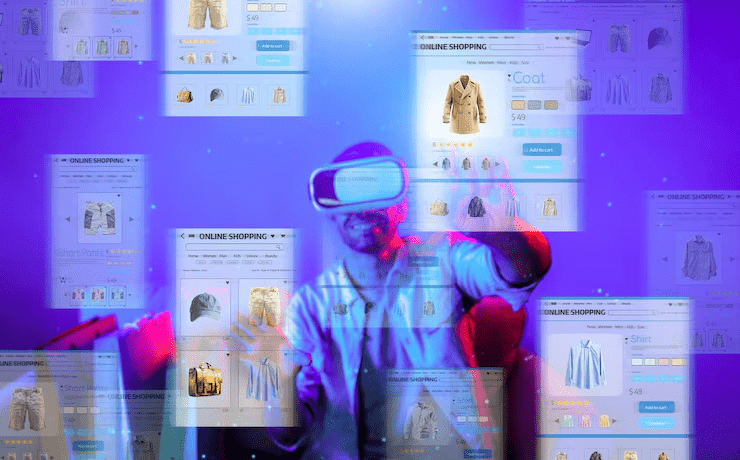
🔍 Key Components of Metaverse Shopping Ecosystems 🛒 Benefits of Metaverse Shopping ⚠️ Challenges and Considerations 🔮 Future Trends What are metaverse shopping ecosystems? 📦 Simple Explanation: It’s like shopping in a video game world. You walk around as your avatar, visit virtual stores, try on clothes, check out gadgets, and buy items using digital money (like cryptocurrency or tokens). Sometimes, your purchase is just digital (for your avatar), and sometimes you get real products delivered to your home. 💡 Key Features: Feature Description Virtual Stores 3D shops where users browse and interact with products. Avatars Your digital self that does the shopping. AR/VR Technology Try things on virtually (clothes, glasses, furniture). Digital Currencies Payments through crypto, tokens, or in-app coins. NFT Products Unique digital items like fashion, art, or accessories. Social Interaction Shop with friends, talk to virtual assistants, join events. Real-World Delivery Some items you buy virtually can be shipped physically. 🛍️ Example Scenario: Imagine you’re in a virtual mall: 🌐 Real-Life Examples: 📈 Why It Matters: If you’d like, I can create a simple infographic or chart to help visualize the ecosystem. Would that help? You said: Who is Required Gamified Shopping Quests? ChatGPT said: 🧩 Who Requires Gamified Shopping Quests in the Metaverse? Gamifshopping questsests are interactive, game-like experiences in virtual shopping environments designed to increase engagement, brand loyalty, and sales. These quests are not just for fun—they serve strategic purposes. 🎯 Target Users Who Benefit or Require Gamified Shopping Quests 1. Brands & Retailers 2. E-Commerce Platforms in the Metaverse 3. Users/Consumers (especially Gen Z & Alpha) 4. Digital Marketers & Growth Strategists 5. Tech Platforms and Developers 📌 In Summary: Stakeholder Why They Need Gamified Shopping Quests Brands Boost loyalty, engagement, and product exposure Metaverse Platforms Increase time spent, daily active users Consumers Entertainment, rewards, social bragging rights Marketers Customer insights, campaign performance Developers To offer gamification tools and monetization layers When are required metaverse shopping ecosystems? ✅ Situations When It Is Required: 1. When Targeting Gen Z and Gen Alpha 2. When Brands Want to Stand Out Digitally 3. During Major Product Launches or Events 4. When Creating a Phygital (Physical + Digital) Strategy 5. In Loyalty & Engagement Programs 6. For Cross-Border or Global Digital Expansion 7. When Selling Digital-Only Products ❌ Not Yet Required When: 💡 Conclusion: A metaverse shopping ecosystem is required when your business wants to combine commerce with entertainment, interaction, and innovation, especially for a digitally native audience. Where is required metaverse shopping ecosystems? 🌍 Where Is the Metaverse Shopping Ecosystem Required? 1. Urban & Tech-Savvy Cities 2. E-Commerce-Driven Countries 3. Retail Innovation Zones 4. Education & University Campuses 5. Events, Trade Shows & Shopping Festivals 6. Remote or Rural Areas 7. Gaming & Virtual Worlds 8. Digital Art & NFT Galleries 9. Healthcare, Pharma, and B2B Hubs ✅ Summary Table: Area Type Why It’s Needed Urban Tech Cities Fast adoption, high digital engagement E-Commerce Nations Rising online competition Education Campuses Gen Z engagement and brand loyalty Events and Trade Shows Virtual exhibitions and pop-up stores Rural Areas Remote access to immersive shopping Gaming Platforms Natural integration with virtual goods Digital Art Hubs NFT commerce and collectibles Industrial/Healthcare Cities B2B shopping and immersive catalogs How is Required Metaverse Shopping Ecosystems? 🧱 Key Components Required to Build a Metaverse Shopping Ecosystem 1. 3D Virtual Environment 2. Avatars and User Interaction 3. AR/VR Integration (Optional but Powerful) 4. Product Integration 5. E-Commerce Backend 6. Digital Wallets & Payments 7. Gamification & Social Features 8. NFT & Digital Asset Management 9. Logistics Integration (for Physical Goods) 10. Security, Privacy, and Identity Management 📊 Tech Stack Overview Layer Tools/Tech Environment Unity, Unreal Engine, WebGL, VRChat Blockchain Ethereum, Polygon, Solana Payment MetaMask, Coinbase Wallet, Stripe, PayPal E-Commerce Shopify APIs, WooCommerce, Custom backend AR/VR Oculus SDK, Apple ARKit, Google ARCore NFTs OpenSea integration, Smart contracts (Solidity) 🧭 Summary: How to Start? Case Study on Metaverse Shopping Ecosystems? 🧾 Case Study: Nike’s Nikeland in Roblox – A Metaverse Shopping Ecosystem 🎯 Objective Nike aimed to: 🌐 Platform Chosen Roblox – a user-generated gaming platform with millions of daily active users and strong appeal among younger audiences. 🏗️ What They Built: Nikeland Nikeland is a virtual world inside Roblox that allows users to: 🛍️ Shopping Features Included: ⚙️ Key Elements of the Ecosystem Component Description 3D Environment A stylized Nike world built in Roblox with branded architecture Digital Products Shoes, hats, jerseys, NFTs – usable by avatars Gamification Mini-games like tag and obstacle courses unlock rewards Events Limited-time events with real-world athletes and new drops Integration Connection to Nike’s official website and marketing campaigns User Data Insights from user behaviors, preferences, and engagement patterns 📊 Results & Impact Metric Outcome 🧑🤝🧑 Users Engaged 7+ million visitors in first months 👟 Product Branding Increased brand recall and youth market capture 🛒 Digital Sales High demand for virtual sneakers and items 📰 PR & Media Major media buzz and recognition for innovation 💡 Innovation Proved that digital wearables can drive real-world demand 🧠 What We Can Learn ✅ Metaverse shopping isn’t just about sales—it’s about brand experience.✅ Gamified environments drive engagement and loyalty.✅ Digital-first generations expect interaction, not static catalogs.✅ Hybrid commerce (phygital) is the future—selling both real and virtual versions. 🏁 Conclusion Nike’s Nikeland demonstrates how a metaverse shopping ecosystem can: White paper on Metaverse Shopping Ecosystems? Courtesy: FAITH PROTOCOL 📄 White Paper: Metaverse Shopping Ecosystems Reimagining Retail Through Immersive Digital Commerce 🧭 Executive Summary The Metaverse Shopping Ecosystem represents the convergence of retail, immersive 3D environments, gamification, and blockchain technologies to create next-generation commerce. As consumers increasingly expect personalized, engaging, and interactive experiences, brands are adopting virtual worlds to offer immersive shopping that goes far beyond traditional e-commerce. This white paper explores the structure, benefits, challenges, and future of metaverse shopping, backed by real-world case studies and actionable frameworks. 1. 📌 Introduction 1.1 What Is the Metaverse? The metaverse is a persistent, shared, virtual environment where people interact using avatars. It’s built on technologies like