
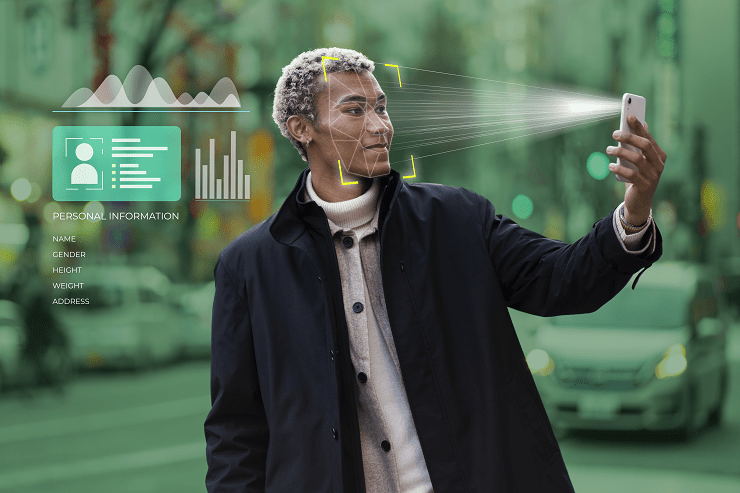
AI-Based Customer Behavior Analysis
📊 AI-Based Customer Behavior Analysis ✅ Definition AI-based customer behavior analysis is the process of using artificial intelligence (AI) and machine learning (ML) algorithms to understand, predict, and influence customer actions, preferences, and decision-making patterns. This analysis helps businesses deliver personalized experiences, increase sales, and build stronger customer relationships. 🔍 Why It Matters Understanding customer behavior is essential for: AI makes this process faster, more accurate, and scalable across millions of customers. ⚙️ How It Works (Key Components) 1. Data Collection 2. Data Processing 3. Modeling Behavior 4. Insights & Action 🔧 AI Techniques Used Technique Purpose Supervised Learning Predict churn, purchase likelihood Unsupervised Learning Segment customers into behavioral clusters Reinforcement Learning Optimize customer journeys in real time Natural Language Processing (NLP) Analyze customer reviews, support tickets Deep Learning Image/video analysis for behavioral signals 💼 Use Cases 🛒 Retail & E-Commerce 📱 Digital Marketing ☎️ Customer Service 🏦 Banking & Finance 🌍 Real-World Examples 📈 Benefits Benefit Impact Personalization Higher conversion and retention rates Predictive Insights Proactive customer engagement Operational Efficiency Less reliance on manual analysis Increased ROI More effective marketing and product strategies ⚠️ Challenges 🔮 Future Trends ✅ Summary AI-based customer behavior analysis allows companies to anticipate needs, increase engagement, and personalize at scale—making it a core strategy in customer-centric businesses. What is AI-Based Customer Behavior Analysis? AI-based customer behavior analysis refers to the use of artificial intelligence (AI) and machine learning (ML) to observe, interpret, and predict how customers interact with a product, service, or brand—based on their data and actions. It helps businesses understand 🧠 Key Concepts 🔄 How It Works 💡 Example A clothing retailer uses AI to: 🎯 Why It Matters Who is Required for AI-Based Customer Behavior Analysis? To effectively carry out AI-based customer behavior analysis, a combination of roles, departments, and technologies is required. These include: 🧑💼 1. Business Stakeholders 🧑💻 2. Data & Technology Professionals Role Responsibility Data Scientists Build and train machine learning models for behavior prediction. Data Analysts Extract insights from customer data and interpret behavioral trends. AI/ML Engineers Develop and deploy algorithms to analyze data in real-time. Software Developers Integrate AI systems into customer-facing platforms (e.g., websites, CRMs). Cloud Engineers Manage storage and computing infrastructure for large-scale data. 🧠 3. Tools & Technologies Required 🏢 4. Organizations & Industries That Require It 🧩 Conclusion AI-based customer behavior analysis is not the job of one person—it’s a cross-functional effort involving marketing, data, tech, and business teams, all working together to turn raw data into intelligent, customer-centric strategies. When is required AI-based customer behavior analysis? Courtesy: AI & Economics Hub AI-Based Customer Behavior Analysis is required whenever a business wants to better understand, predict, or influence customer actions to improve performance, retention, or satisfaction. Here are key scenarios and timings: 📅 1. During Customer Acquisition Goal: Identify what marketing campaigns work best. 🔁 2. During the Customer Journey Goal: Deliver personalized, real-time experiences. 📉 3. When Churn Risk is High Goal: Retain customers before they leave. 📦 4. After Purchase Goal: Upsell, cross-sell, and build loyalty. 📈 5. During Product or Campaign Planning Goal: Make data-driven business decisions. 🛑 6. In Crisis or Unusual Behavior Patterns Goal: React quickly to sudden changes. 🎯 Summary Time/Stage Why AI Behavior Analysis is Needed Lead Generation Target the right audience Browsing & Shopping Personalize the experience Post-Purchase Boost loyalty and lifetime value Signs of Churn Proactively retain at-risk customers Campaign Planning Optimize content, timing, and channels Real-Time Interaction Engage smarter during key moments (e.g., checkout, support) Where is Required AI-Based Customer Behavior Analysis? AI-Based Customer Behavior Analysis is required across multiple platforms, touchpoints, and industries where businesses interact with customers. Here’s a breakdown of where it’s most critically needed: 🌐 1. Digital Platforms Wherever customers interact online, behavior analysis is valuable. 🛍️ 2. Retail & Point-of-Sale Locations Combine offline and online behavior for a 360-degree view. 🏢 3. Customer Service & Call Centers Identify satisfaction and pain points through behavior insights. 🏭 4. Across Industries Industry Where Behavior Analysis Is Used Retail & E-Commerce Online stores, CRM, digital ads Banking & Finance Transaction logs, mobile apps, ATM usage Telecom Call usage, recharge behavior, customer care Healthcare Patient portals, appointment trends, telehealth apps EdTech Learning platforms, quiz performance, student engagement Streaming & Media Content views, watch time, device usage 🧠 5. Within Internal Business Systems To empower smarter decision-making and automation. 🧩 Summary Table Where Purpose Websites & Apps Understand digital interactions In-store Locations Combine physical and digital behavior Customer Service Channels Improve support quality and speed Cross-channel (omnichannel) Build full customer profiles Industry-specific platforms Customize behavior insights to sector needs How is Required AI-Based Customer Behavior Analysis? AI-based customer behavior analysis is implemented through a structured combination of data collection, AI/ML modeling, analytics, and business integration. Below is a step-by-step guide on how it is done and required across industries. 🔍 1. Data Collection Gather raw customer interaction data from all touchpoints. Source Examples Websites & Apps Clicks, page views, time spent, search queries Social Media Likes, shares, comments, engagement metrics CRM Systems Purchase history, support tickets, loyalty activity POS Systems In-store purchases, location, payment methods IoT Devices Device usage patterns, location tracking 🧹 2. Data Preprocessing Clean and prepare data for AI/ML use. 🧠 3. AI/ML Modeling Use algorithms to discover patterns, predict behavior, and segment users. Popular Machine Learning Techniques: Technique Purpose Clustering (e.g., K-Means) Customer segmentation Classification (e.g., Decision Trees, SVM) Predict churn, intent to buy Regression Models Forecast sales, LTV (lifetime value) Neural Networks Complex behavior predictions, deep personalization Natural Language Processing (NLP) Analyze reviews, chats, support tickets 📊 4. Analysis & Interpretation Translate results into actionable insights. ⚙️ 5. Integration into Business Systems Apply insights in real-time to improve customer engagement. ♻️ 6. Feedback Loop Continuously refine AI models based on new data. 📌 Summary Flowchart markdownCopyEditCustomer Interactions ↓ Data Collection ↓ Data Preprocessing ↓ AI/ML Models ↓ Insight Generation ↓ Business Integration → Customer Experience ↑ Continuous Feedback ✅ Real-World Example Amazon uses AI to: Case