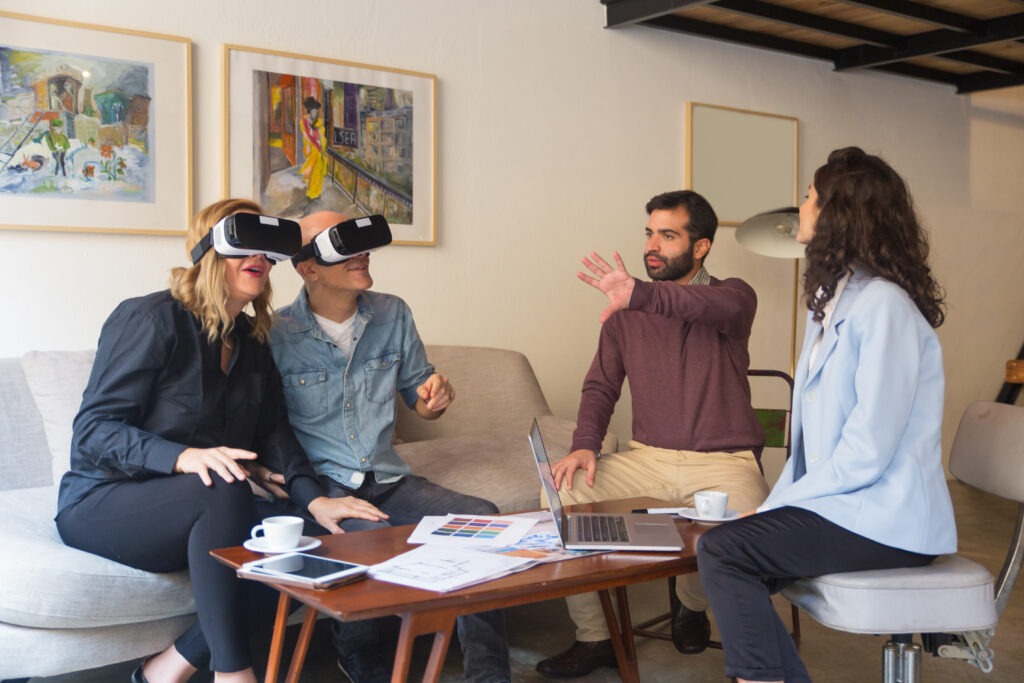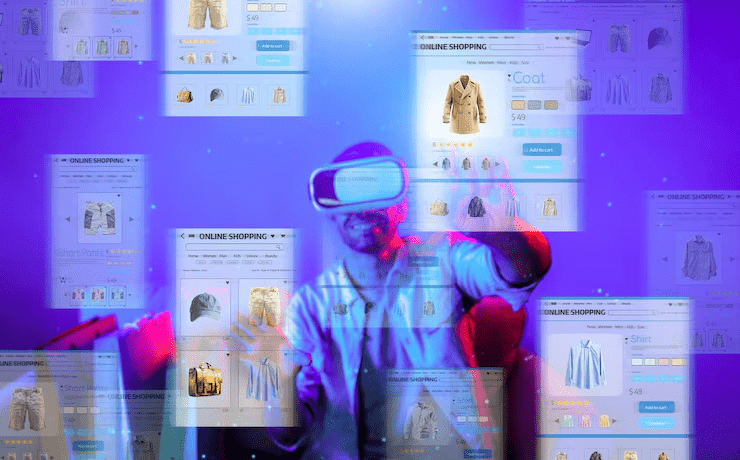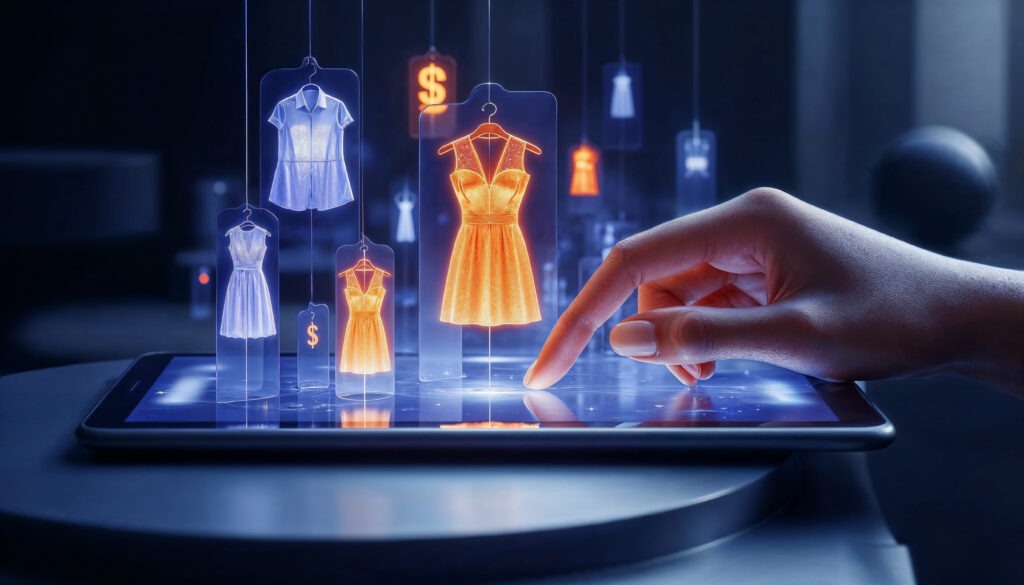
Advanced Virtual Shopping Environments

Advanced Virtual Shopping Environments

Artificial Intelligence (AI) & Machine Learning
Advanced Virtual Shopping Environments, Artificial Intelligence (AI) & Machine Learning

Artificial Intelligence (AI) & Machine Learning

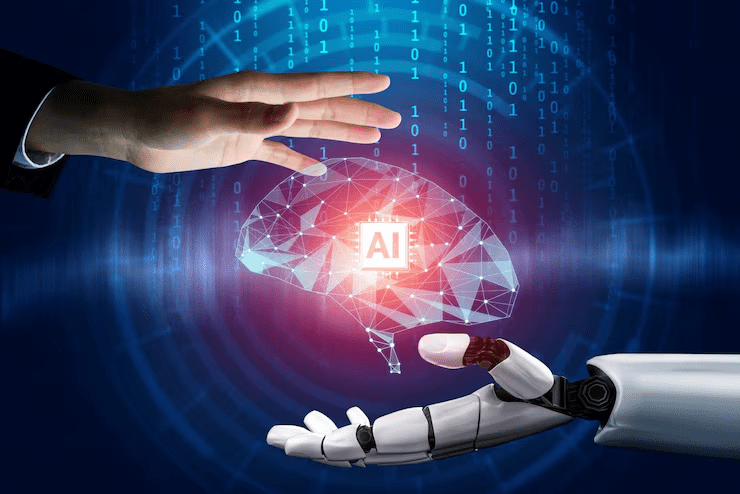
Artificial Intelligence (AI) & Machine Learning in Shared Virtual Malls 1. Introduction As virtual malls become globally shared social experiences, AI and machine learning are essential technologies enabling personalization, automation, and intelligent interactions. From customizing avatars to predicting purchase behavior, AI/ML helps transform virtual malls into smarter, user-centric platforms. 2. Key Applications of AI/ML in Shared Virtual Malls A. Personalized Shopping Experiences B. Smart Virtual Assistants C. Friend Group Dynamics D. Dynamic Pricing & Promotion E. Visual Recognition & AR Integration F. Fraud Detection & Security 3. Benefits of AI/ML Integration Benefit Description Hyper-personalization Tailors experiences for each user and friend group Improved UX Smart assistants and seamless recommendations boost satisfaction Higher Conversions Targeted promotions and social influence enhance sales Operational Efficiency Automates inventory, pricing, and customer service Global Scalability AI adapts content and support to regional needs 4. Challenges 5. Future Trends 6. Conclusion AI and machine learning are not just add-ons in shared virtual malls — they are the core engines driving intelligent, engaging, and scalable social shopping environments. By understanding and anticipating individual and group behavior, AI enables a global, hyper-personalized shopping experience like never before. What is Artificial Intelligence (AI) & Machine Learning? 🧠 Artificial Intelligence (AI) Artificial intelligence is the science of making machines think, learn, and act like humans. AI enables computers and systems to perform tasks that normally require human intelligence, such as 🧩 Example: Chatbots, self-driving cars, virtual assistants like Siri or Alexa. 🔁 Machine Learning (ML) Machine learning is a subset of AI that allows machines to learn from data and improve their performance over time without being explicitly programmed. ML systems find patterns in data and use those patterns to make predictions or decisions. 🧩 Example: Netflix recommending movies based on your watch history, or Gmail filtering spam emails. 🎯 Difference Between AI & ML Feature Artificial Intelligence (AI) Machine Learning (ML) Scope Narrow—learns from data Narrow – learns from data Goal Decision-making, problem-solving Prediction, classification Dependency on Data May or may not use data to function Requires data to learn Examples Chatbots, Robots, Game AI Recommendation systems, Spam filters, Face recognition 🔍 Types of Machine Learning 💡 In Simple Terms: Who is Required Artificial Intelligence (AI) & Machine Learning? Artificial intelligence and machine learning are required by individuals, businesses, and industries that want to enhance decision-making, automate tasks, improve efficiency, and gain a competitive advantage through data. 🏢 1. Businesses and Organizations ✅ Why they need AI/ML: 🏭 Industries: Industry Use of AI/ML Retail Personalized shopping, chatbots, inventory management Healthcare Disease prediction, diagnostics, treatment planning Finance Credit scoring, fraud detection, algorithmic trading Manufacturing Predictive maintenance, quality control Marketing Customer segmentation, targeted ads Logistics Route optimization, demand forecasting Education Smart tutoring, adaptive learning platforms Entertainment Content recommendations (e.g., Netflix, YouTube) 🧑‍💻 2. Professionals & Developers ✅ Who: ✅ Why they need it: 🎓 3. Students and Researchers ✅ Why they need AI/ML: 🌍 4. Governments and Smart Cities ✅ Why: 🛍️ 5. Consumers (Indirect Users) ✅ How they benefit: ✅ Summary Who Needs AI/ML Why Businesses & Industries Automation, insights, growth, efficiency Developers & Tech Experts To create intelligent systems and apps Students & Academics To learn and innovate with modern technologies Governments & Institutions Public safety, governance, infrastructure General Consumers Enhanced services, recommendations, personal assistants When is Required Artificial Intelligence (AI) & Machine Learning? Artificial Intelligence and Machine Learning are required whenever there is a need for automation, intelligent decision-making, or data-driven insights—especially in scenarios involving large volumes of data, repetitive tasks, or personalization. ✅ Key Situations When AI/ML is Required 🧠 1. When You Need to Make Smart Decisions from Big Data 🔄 2. When Repetitive Tasks Should Be Automated 🛒 3. When You Want Personalized Experiences 🔍 4. When Prediction Is Critical 🧩 5. When Human Decision-Making Is Too Slow or Complex 🌐 6. When Scaling Operations Globally 📌 Summary Table Situation When AI/ML is Required Handling Big Data To extract insights humans can’t see Automating Repetitive Work To reduce cost, time, and errors Personalizing User Experience To improve satisfaction and retention Predicting Future Trends To stay ahead in decision-making Speeding Up Complex Decisions When human processing is too slow or error-prone Scaling with Efficiency To manage global demand, users, and services Where is required artificial intelligence (AI) & machine learning? Courtesy: HubSpot Marketing Artificial Intelligence and Machine Learning are required in nearly every sector and environment—wherever there is data, decision-making, automation, personalization, or efficiency improvement. Below is a breakdown of where AI/ML is most used and required. 🏢 1. Business and Corporate Sector Where: Use: 🏥 2. Healthcare Where: Use: 🏭 3. Manufacturing & Industry Where: Use: 🏦 4. Banking & Finance Where: Use: 📱 5. Consumer Technology Where: Use: 🚗 6. Transportation Where: Use: 🛍️ 7. Retail & E-Commerce Where: Use: 🎓 8. Education Where: Use: 🏛️ 9. Government and Public Services Where: Use: 🎮 10. Gaming and Entertainment Where: Use: ⚙️ How Is Artificial Intelligence (AI) & Machine Learning (ML) Required? Artificial Intelligence and Machine Learning are required through a structured process involving problem identification, data collection, model development, deployment, and continuous learning. Here’s a detailed breakdown of how AI/ML is implemented and required in practice: 🔍 1. Problem Identification How AI/ML is needed: Examples: 📊 2. Data Collection & Preparation How it’s required: Examples: 🧠 3. Model Building (AI/ML Development) How it’s required: Tools Used: 🧪 4. Model Testing & Evaluation How it’s required: Goal: 🚀 5. Deployment & Integration How it’s required: Examples: 🔄 6. Monitoring & Continuous Learning How it’s required: Why: 📌 Step-by-Step Summary Table Step How AI/ML Is Required 1. Identify the problem Decide what needs to be predicted, automated, or improved 2. Collect & prepare data Gather and clean data relevant to the task 3. Develop ML model Use algorithms to train models that learn from data 4. Evaluate & validate Test accuracy, reduce errors, and prevent bias 5. Deploy into production Integrate into apps, websites, or machines 6. Monitor & update Keep improving performance with new
Advanced Virtual Shopping Environments, Shared Virtual Malls with Friends Globally

Shared Virtual Malls with Friends Globally

🛍️ Concept Overview Shared virtual malls are immersive digital environments where friends from around the world can: 🌐 Key Features 🛠️ Tech Stack & Tools 💡 Use Cases 🧠 Business Models What are shared virtual malls with friends globally? 🔍 Simple Definition A shared virtual mall is like a 3D online shopping center where 🌍 “With Friends Globally” Means: 💡 Key Features Feature Description 🧑‍🤝‍🧑 Multi-user shopping Friends can walk through malls together using avatars 🛒 Real-time shopping Add items to cart, try on clothes, view products as a group 🗣️ Communication Talk via voice, text, or chat while shopping 🧥 Virtual Try-on Use AR or avatars to try clothing, makeup, or accessories 🛍️ Real brands Shop real stores like Nike, Zara, or H&M in digital format 🌐 Accessibility Works across devices — VR headsets, PCs, or phones 📱 Example Use Case Imagine you’re in India, your best friend is in the US, and another is in the UK. You all: 🎮 Think of it Like: If you’re interested, I can also help you. 🛍️ What It Means Imagine a shopping mall — but fully digital — where: 🌐 Key Aspects 🧑‍🤝‍🧑 Example Experience You and your three friends: 🎯 Why It’s Popular 🧠 In Summary Shared Virtual Malls with Friends Globally are a modern, fun, and immersive way to shop, socialize, and explore online — just like you would in a real mall, but without needing to be in the same place. Who is Required to Share Virtual Malls with Friends Globally? 👥 1. Everyday Users / Shoppers These are people who want to: 🧑‍💼 2. Brands & Retailers Brands participate to: 💻 3. Tech Companies & Developers These are the people building and maintaining the platform: 📣 4. Influencers & Content Creators They use these spaces to: 🏢 5. Marketing & Advertising Agencies They use virtual malls for: 🧑‍🏫 6. Educators and Event Organizers (Optional Use) They might use virtual malls to: ✅ Who Is Required to Share or Host These Malls? There’s no legal or mandatory requirement for anyone to share virtual malls, but the following stakeholders are essential in making them work: Role Responsibility Platform owners Build and maintain the virtual mall Retail partners Set up their virtual storefronts Users Share and invite friends to join Developers Ensure the system works across devices globally Marketers Promote the experience to a wider audience 🔁 In Summary No one is “required” to share virtual malls by rule, but brands, developers, and users play a crucial role in building and growing these shared global shopping experiences. The more people share and invite others, the more fun and valuable the experience becomes. When is Required Share Virtual Malls with Friends Globally? Courtesy: Dezeen ✅ 1. When Is It Appropriate to Share Virtual Malls Globally? You’d want to share or invite friends to a virtual mall in these situations: 🕒 Occasion 🌍 Why Share It Globally? 🎁 Holiday shopping Celebrate Diwali, Christmas, or Eid with friends abroad while shopping together. 🎉 Birthday or gifting Shop virtually with family to pick a gift, even if they’re in another country. 👗 Fashion advice Get real-time opinions on outfits before buying. 🛍️ Launch events Attend global product launches or virtual brand pop-ups with friends. 🌐 Remote bonding Recreate the “let’s go to the mall” experience with long-distance friends. 🛒 Group purchases Coordinate bulk orders, split payments, or choose party supplies together. ⚠️ 2. When Is It Required to Share a Virtual Mall? Technically, it’s not required by any rule or system, but sharing is essential when: 🔧 Example Scenarios ✅ Appropriate to Share: “My friend in Canada wants to help me choose a dress for a wedding. We both join the same virtual mall room to browse together.” ✅ Necessary to Share: “We’re attending an exclusive virtual product launch by Samsung. It’s only accessible via invite, so I need to share the mall link with my friends.” 🧠 Final Summary You share virtual malls with friends globally when you want to shop, connect, or attend events together online. It’s not always required, but it becomes essential for collaborative, social, or event-driven shopping experiences. Where is Required Share Virtual Malls with Friends Globally? Shared virtual malls are popular and used in many regions around the world, especially where e-commerce, social media, and virtual experiences are growing fast. 🌍 Region 🔍 Use Case / Reason 🇺🇸 United States VR/AR shopping, influencer-led live shopping events 🇨🇳 China Social commerce via platforms like Taobao Live, virtual malls in Alibaba metaverse 🇰🇷 South Korea K-pop merchandise malls, high tech digital shopping 🇮🇳 India Growing interest in group shopping and virtual stores for festivals 🇬🇧 UK & Europe Fashion and luxury brands using virtual showrooms 🌐 Globally Online events, product launches, and immersive brand experiences 🌐 2. Where (Platform/Environment) Is Sharing Required or Built In? In virtual environments or apps where the social aspect is a core feature, sharing with friends is either encouraged or required to access full features. 🖥️ Platform Type 🧩 Example Why Sharing Is Required 🛍️ Virtual Shopping Malls Obsess, Emperia, ByondXR Share links/invites to shop together or attend events 🕹️ Metaverse Platforms Roblox, Decentraland, ZEPETO Join friends inside shared 3D malls or brand worlds 🧑‍🤝‍🧑 Social Shopping Apps Flip, NTWRK, Popshop Live Friends must join to co-shop or join live sessions 🎮 VR Worlds Meta Horizon Worlds, AltspaceVR Invite others to a virtual mall space using headset or app 🔑 Where Sharing Becomes Necessary ✅ Final Summary Sharing virtual malls with friends globally is required or useful: How is Required Share Virtual Malls with Friends Globally? 🔗 1. Access a Virtual Mall Platform Choose a platform that supports shared shopping experiences, such as: Example: You open the Nike Virtual Mall built on Obsess. 👥 2. Create or Enter a Virtual Room / Session Most platforms allow: Example: You start a private shopping room inside the Zara VR store. 📩 3. Invite Friends You can share via: Example: You copy the invite link and send

Multi-Sensory VR Retail Stores
Advanced Virtual Shopping Environments, Multi-Sensory VR Retail Stores

Multi-Sensory VR Retail Stores

🔍 Key Features of Multi-Sensory VR Retail Stores 1. Visual Experience (Sight) 2. Auditory Experience (Sound) 3. Haptic Feedback (Touch) 4. Olfactory Experience (Smell) 5. Gustatory Experience (Taste) 🧠 Applications in Retail 🚀 Benefits 🛠️ Technologies Involved 🔮 Future Outlook What are multi-sensory VR retail stores? 🔑 In Simple Terms: It’s like putting on a VR headset and stepping into a virtual store where you can see, hear, touch, and even smell the products—just like real life, but done through advanced technology. 🧠 What Makes It “Multi-Sensory”? Sense How It’s Used in VR Stores 👀 Sight 3D visuals of products, virtual shelves, store design 👂 Sound Background music, product sounds, voice assistants ✋ Touch Haptic gloves or controllers to feel items 👃 Smell Scent devices release fragrances (like perfumes) 👅 Taste Experimental – may simulate flavors for food previews 🛍️ Why It’s Used in Retail 💡 Example Imagine you’re shopping for a jacket: 🧭 Conclusion Multi-Sensory VR Retail Stores combine advanced VR with sensory technology to create a lifelike, interactive, and emotional shopping experience—changing the way we shop online and in the metaverse. Who is Required Multi-Sensory VR Retail Stores? 1. Retail Brands & Businesses Especially in: 👉 Why? 🧑‍💼 2. Marketing & Branding Agencies 🛒 3. E-commerce Platforms 🌍 4. Global Consumers ♿ 5. People with Physical Disabilities 🎓 6. Education & Training Providers 🏗️ 7. Real Estate & Commercial Developers 🧪 8. Tech Companies & Startups 📌 Summary Table Who Needs It Purpose / Benefit Retailers (Fashion, Beauty, etc.) Product engagement & fewer returns E-commerce platforms Enhanced online shopping experience Consumers Immersive, convenient shopping Disabled individuals Greater accessibility Marketing agencies Immersive brand storytelling Educators Practical training tools Real estate developers VR retail design previews Tech innovators New product development in VR and sensory tech When is Required Multi-Sensory VR Retail Stores? 📆 When Is It Required? 🛒 1. When Traditional E-commerce Feels Flat 🌎 2. When Physical Store Access Is Limited 🧠 3. When Customer Engagement & Emotion Matter 💼 4. When Selling High-Involvement or Luxury Products ♿ 5. When Accessibility Is a Priority 🏪 6. When Brands Want to Reduce Store Costs 🚀 7. When Competing in the Metaverse or Future Retail 📚 8. When Training Staff in Retail Simulation ✅ Ideal Moments to Use It Situation Why It’s Ideal Product Launch Create buzz with immersive virtual try-ons or demos Black Friday / Festive Sales Let people “experience” products from home Global Brand Campaigns Deliver a consistent sensory experience worldwide Store Redesign Test customer response to new layouts virtually Customer Feedback Testing Study how sensory experiences affect behavior 🎯 Summary: Multi-Sensory VR Retail Stores are required when realism, engagement, convenience, or accessibility are important in the shopping experience—especially in an increasingly digital world. Where is Required Multi-Sensory VR Retail Stores? Courtesy: CNN 10 🌍 Where Is Multi-Sensory VR Retail Required? Multi-Sensory VR Retail Stores are most valuable in environments where physical limitations, high customer experience expectations, or innovation-driven competition make immersive digital shopping a strategic advantage. Here are the key locations and contexts where this technology is needed or in demand: 1. 🏙️ Urban Retail Hubs & Malls ✅ Benefit: Delivers big-brand experience in small or shared retail spaces. 2. 🌐 E-Commerce Platforms ✅ Benefit: Reduces return rates and increases buyer confidence. 3. 🌎 Global Brands with Distributed Customer Base ✅ Benefit: Borderless brand presence with immersive storytelling. 4. 🛫 Airports & Travel Retail ✅ Benefit: Engaging high-value travelers during wait times. 5. 🏡 Home Use (via Consumer Headsets) ✅ Benefit: Convenience, accessibility, and interactive exploration. 6. 🏢 Retail Innovation Labs & Flagship Experience Centers ✅ Benefit: Brand buzz + early consumer adoption. 7. 📈 Emerging Markets with Limited Retail Infrastructure ✅ Benefit: Digital-first market penetration with immersive UX. 8. 🏥 Special Needs Retail Environments ✅ Benefit: Inclusive shopping experiences with sensory feedback. 📌 Summary Table Location/Context Why It’s Needed Malls & Cities Maximize space, reduce overhead Online Stores Add sensory depth to flat e-commerce Global Brands Enable borderless customer experience Airports Engage high-end consumers Homes Personal, immersive shopping convenience Innovation Labs Experimentation & brand value Emerging Markets Leapfrog to next-gen retail Accessibility Cases Enable all shoppers to engage equally How are required multi-sensory VR Retail Stores? 🧱 Step-by-Step: How It’s Done 1. Business Planning 2. 3D Store & Product Design 3. VR Platform Integration 4. Sensory Technology Integration Sense Technology Used 👀 Sight VR headsets, 3D environments, animated UI 👂 Sound Spatial audio, brand music, voice assistants ✋ Touch Haptic gloves, suits, or controllers 👃 Smell Scent-emitting devices (e.g., VAQSO, FeelReal) 👅 Taste (Experimental) Taste simulators for food demos 5. E-commerce & Backend Connectivity 6. Personalization with AI 7. Testing & Optimization 8. Launch & Promotion ⚙️ Required Components Component Tools/Examples 3D Modeling Software Blender, Maya, SketchUp VR Development Engine Unity, Unreal Engine VR Hardware Meta Quest, HTC Vive, Apple Vision Pro Haptics Devices Teslasuit, HaptX, SenseGlove Scent Devices VAQSO, Aryzon, FeelReal E-commerce Platform Shopify, WooCommerce, Magento AI Integration ChatGPT, Google Cloud AI, custom models 📌 Summary: How is it required? → By combining immersive VR design, multi-sensory hardware, and software integration, businesses can build fully interactive, emotionally engaging, and accessible VR retail environments that go far beyond traditional e-commerce. Case Study on Multi-Sensory VR Retail Stores? 🎯 Case Study: LUXEA – A Premium Perfume Brand Launches Multi-Sensory VR Retail Store 🏢 Background LUXEA is a premium European perfume and cosmetics brand planning to expand its digital presence and attract younger, tech-savvy consumers. Traditionally reliant on luxury physical stores, LUXEA faced challenges in conveying fragrance experience online. 🎯 Objective 🧰 Implementation Steps 1. Environment Design 2. Sensory Technology Integration 3. Product Interaction 4. AI-Personalization 5. Multi-Platform Access 📊 Results KPI Pre-VR Store Post-VR Launch (3 Months) Online Sales +0.7% growth 🚀 +18% growth Return Rate 21% 🔻 Reduced to 11% Avg. Time on Site 2.5 mins ⏱️ 12 mins Social Media Engagement 5K mentions/month 📈 18K mentions/month Customer Satisfaction 74% 🌟 92% VR Quiz Conversions N/A 💡 68% completed the quiz and added to cart

Advanced Virtual Shopping Environments, Mixed Reality Showroom Experiences

Mixed Reality Showroom Experiences

What are mixed reality showroom experiences? Mixed Reality (MR) Showroom Experiences combine the real world and virtual elements to create interactive, immersive retail environments. Customers use MR devices (like Microsoft HoloLens or Magic Leap) to see digital objects—such as products, configurations, or information—overlaid onto the physical space around them. This blends physical and digital worlds to enhance product visualization and shopping interaction. Key Features: Benefits: Industrial Applications: What is mixed reality showroom experiences? 🧠 Key Concept: Mixed Reality (MR) = Augmented Reality (AR) + Virtual Reality (VR)MR Showroom = A space (physical or virtual) where customers see, touch, try, or customize products using digital overlays in real time. 🧩 How It Works: 📱 Examples of MR in Showrooms: 🎯 Purpose & Benefits: Purpose Benefit Interactive shopping Better product understanding Personalized experiences Boosts customer satisfaction Reduce showroom space costs Show more without physical inventory Enable remote participation Global accessibility Increase engagement & conversions More sales through immersive try-ons 🧪 Real-World Use Cases: Industry Use Case Example Retail & Fashion Virtual fitting rooms and smart mirrors Automotive VR car customization and test drives Furniture AR room planning with digital product placement Real Estate 360° walkthroughs of properties using VR headsets Healthcare Virtual demo of medical tools or surgery setup 🔮 Future Potential: Who is Required Mixed Reality Showroom Experiences? 1. Retail Brands & Stores 2. Automobile Manufacturers & Dealers 3. Real Estate Developers & Agents 4. Event Organizers & Exhibition Hosts 5. E-Commerce Platforms 6. Healthcare & Medical Equipment Companies 7. Education & Training Providers 8. Tech Startups & Innovation Hubs 9. Luxury Goods & Fashion Houses 🎯 Summary: Mixed reality showroom experiences are primarily required by industries and businesses that want to: When is Required Mixed Reality Showroom Experiences? Courtesy: Suffolk University During Product Launches & New Releases 2. When Physical Showrooms Are Limited 3. In Remote or Pandemic Conditions 4. For Personalized & Customizable Products 5. During Trade Shows and Virtual Events 6. To Enhance Customer Experience and Engagement 7. When Training or Demonstration Is Needed 8. When Expanding Online & Omni-channel Strategies Summary Table: Scenario Reason for MR Showroom Requirement Product launches Immersive introduction & demos Limited physical space Virtual inventory & displays Remote access / pandemic Contactless, immersive shopping Personalized/custom products Real-time customization visualization Trade shows / virtual events Global reach without travel Enhance customer experience Differentiate & engage Training / demos Safe, cost-effective product demonstrations Omni-channel retail strategy Seamless physical & digital integration Where is Required Mixed Reality Showroom Experiences? Physical Retail Stores & Flagship Showrooms 2. Trade Shows, Expos & Conferences 3. Online E-Commerce Platforms 4. Car Dealerships & Auto Showrooms 5. Real Estate Agencies & Property Showrooms 6. Pop-up Stores & Brand Activations 7. Training Centers & Product Demo Rooms 8. Corporate & Innovation Labs 9. Remote or Rural Markets Summary Table: Location/Setting Why MR Showroom is Required Physical Retail Stores Boost engagement and personalization Trade Shows & Expos Global reach and cost-effective showcasing Online Platforms Immersive e-commerce experiences Auto Showrooms Virtual test drives and customization Real Estate Showrooms Virtual walkthroughs and interior visualization Pop-up Stores Brand engagement and marketing buzz Training Centers Safe, effective product demos Innovation Labs Prototype and concept showcasing Remote/Rural Markets Access to customers without physical presence How is Required Mixed Reality Showroom Experiences? Assess Business Goals and Customer Needs 2. Choose the Right Technology 3. Design Immersive Content 4. Set Up the Physical or Virtual Space 5. Integrate Customer Interaction Tools 6. Test and Iterate 7. Train Staff and Support Customers 8. Launch and Promote 9. Maintain and Update 🛠️ Key Components and Tools Component Purpose AR/VR Headsets Immersive visualization Smart Mirrors Virtual try-ons for fashion and accessories Interactive Displays Touch and gesture-based product exploration 3D Modeling Software Create realistic product models MR Content Platforms Build and manage MR environments AI Chatbots Personalized customer assistance Summary: Mixed Reality Showroom Experiences are required by: Case Study on Mixed Reality Showroom Experiences? Case Study: BMW’s Mixed Reality Showroom Experience Background BMW, a leading luxury automobile manufacturer, faced challenges with traditional car showrooms: To address this, BMW adopted Mixed Reality (MR) Showroom Experiences leveraging Microsoft HoloLens technology. Objective Implementation Technology Used: Experience Features: Results Challenges Lessons Learned Conclusion BMW’s MR showroom experience is a successful example of how mixed reality can revolutionize retail environments, especially for complex, high-value products. The immersive experience not only enhances customer satisfaction but also drives business growth and brand differentiation. White paper on Mixed Reality Showroom Experiences? Courtesy: Phiaro Inc White Paper: Mixed Reality Showroom Experiences Executive Summary Mixed Reality (MR) Showroom Experiences represent the convergence of physical and digital retail environments by blending augmented reality (AR) and virtual reality (VR) technologies. MR allows consumers to interact with virtual objects seamlessly integrated into the real world, transforming traditional showroom experiences into immersive, interactive journeys. This white paper explores how MR showrooms are reshaping retail, the underlying technologies, implementation strategies, challenges, and future trends. It serves as a comprehensive guide for businesses aiming to adopt MR to enhance customer engagement, drive sales, and future-proof their retail strategies. 1. Introduction 1.1 Definition of Mixed Reality Showroom Experiences Mixed Reality Showroom Experiences use advanced spatial computing to overlay and integrate digital content—such as 3D product models, interactive interfaces, and real-time data—into physical showroom environments or fully virtual spaces accessible remotely. Unlike AR or VR alone, MR enables real and virtual objects to coexist and interact dynamically. 1.2 Importance in Modern Retail Consumer expectations for personalized, engaging, and convenient shopping are driving adoption of immersive technologies. MR Showrooms allow retailers to: 2. Technology Overview 2.1 Hardware Components 2.2 Software Platforms 3. Implementation Strategy 3.1 Assessing Business Needs 3.2 Content Development 3.3 Infrastructure Setup 3.4 User Experience Design 4. Benefits of MR Showroom Experiences 5. Challenges and Considerations 6. Case Studies and Industry Applications 7. Future Outlook 8. Conclusion Mixed Reality Showroom Experiences are poised to redefine retail by merging the best of physical and digital worlds. Businesses that invest strategically in MR can unlock new levels of customer engagement, operational efficiency,

Metaverse Shopping Ecosystems
Advanced Virtual Shopping Environments, Metaverse Shopping Ecosystems

Metaverse Shopping Ecosystems

🔍 Key Components of Metaverse Shopping Ecosystems 🛒 Benefits of Metaverse Shopping ⚠️ Challenges and Considerations 🔮 Future Trends What are metaverse shopping ecosystems? 📦 Simple Explanation: It’s like shopping in a video game world. You walk around as your avatar, visit virtual stores, try on clothes, check out gadgets, and buy items using digital money (like cryptocurrency or tokens). Sometimes, your purchase is just digital (for your avatar), and sometimes you get real products delivered to your home. 💡 Key Features: Feature Description Virtual Stores 3D shops where users browse and interact with products. Avatars Your digital self that does the shopping. AR/VR Technology Try things on virtually (clothes, glasses, furniture). Digital Currencies Payments through crypto, tokens, or in-app coins. NFT Products Unique digital items like fashion, art, or accessories. Social Interaction Shop with friends, talk to virtual assistants, join events. Real-World Delivery Some items you buy virtually can be shipped physically. 🛍️ Example Scenario: Imagine you’re in a virtual mall: 🌐 Real-Life Examples: 📈 Why It Matters: If you’d like, I can create a simple infographic or chart to help visualize the ecosystem. Would that help? You said: Who is Required Gamified Shopping Quests? ChatGPT said: 🧩 Who Requires Gamified Shopping Quests in the Metaverse? Gamifshopping questsests are interactive, game-like experiences in virtual shopping environments designed to increase engagement, brand loyalty, and sales. These quests are not just for fun—they serve strategic purposes. 🎯 Target Users Who Benefit or Require Gamified Shopping Quests 1. Brands & Retailers 2. E-Commerce Platforms in the Metaverse 3. Users/Consumers (especially Gen Z & Alpha) 4. Digital Marketers & Growth Strategists 5. Tech Platforms and Developers 📌 In Summary: Stakeholder Why They Need Gamified Shopping Quests Brands Boost loyalty, engagement, and product exposure Metaverse Platforms Increase time spent, daily active users Consumers Entertainment, rewards, social bragging rights Marketers Customer insights, campaign performance Developers To offer gamification tools and monetization layers When are required metaverse shopping ecosystems? ✅ Situations When It Is Required: 1. When Targeting Gen Z and Gen Alpha 2. When Brands Want to Stand Out Digitally 3. During Major Product Launches or Events 4. When Creating a Phygital (Physical + Digital) Strategy 5. In Loyalty & Engagement Programs 6. For Cross-Border or Global Digital Expansion 7. When Selling Digital-Only Products ❌ Not Yet Required When: 💡 Conclusion: A metaverse shopping ecosystem is required when your business wants to combine commerce with entertainment, interaction, and innovation, especially for a digitally native audience. Where is required metaverse shopping ecosystems? 🌍 Where Is the Metaverse Shopping Ecosystem Required? 1. Urban & Tech-Savvy Cities 2. E-Commerce-Driven Countries 3. Retail Innovation Zones 4. Education & University Campuses 5. Events, Trade Shows & Shopping Festivals 6. Remote or Rural Areas 7. Gaming & Virtual Worlds 8. Digital Art & NFT Galleries 9. Healthcare, Pharma, and B2B Hubs ✅ Summary Table: Area Type Why It’s Needed Urban Tech Cities Fast adoption, high digital engagement E-Commerce Nations Rising online competition Education Campuses Gen Z engagement and brand loyalty Events and Trade Shows Virtual exhibitions and pop-up stores Rural Areas Remote access to immersive shopping Gaming Platforms Natural integration with virtual goods Digital Art Hubs NFT commerce and collectibles Industrial/Healthcare Cities B2B shopping and immersive catalogs How is Required Metaverse Shopping Ecosystems? 🧱 Key Components Required to Build a Metaverse Shopping Ecosystem 1. 3D Virtual Environment 2. Avatars and User Interaction 3. AR/VR Integration (Optional but Powerful) 4. Product Integration 5. E-Commerce Backend 6. Digital Wallets & Payments 7. Gamification & Social Features 8. NFT & Digital Asset Management 9. Logistics Integration (for Physical Goods) 10. Security, Privacy, and Identity Management 📊 Tech Stack Overview Layer Tools/Tech Environment Unity, Unreal Engine, WebGL, VRChat Blockchain Ethereum, Polygon, Solana Payment MetaMask, Coinbase Wallet, Stripe, PayPal E-Commerce Shopify APIs, WooCommerce, Custom backend AR/VR Oculus SDK, Apple ARKit, Google ARCore NFTs OpenSea integration, Smart contracts (Solidity) 🧭 Summary: How to Start? Case Study on Metaverse Shopping Ecosystems? 🧾 Case Study: Nike’s Nikeland in Roblox – A Metaverse Shopping Ecosystem 🎯 Objective Nike aimed to: 🌐 Platform Chosen Roblox – a user-generated gaming platform with millions of daily active users and strong appeal among younger audiences. 🏗️ What They Built: Nikeland Nikeland is a virtual world inside Roblox that allows users to: 🛍️ Shopping Features Included: ⚙️ Key Elements of the Ecosystem Component Description 3D Environment A stylized Nike world built in Roblox with branded architecture Digital Products Shoes, hats, jerseys, NFTs – usable by avatars Gamification Mini-games like tag and obstacle courses unlock rewards Events Limited-time events with real-world athletes and new drops Integration Connection to Nike’s official website and marketing campaigns User Data Insights from user behaviors, preferences, and engagement patterns 📊 Results & Impact Metric Outcome 🧑‍🤝‍🧑 Users Engaged 7+ million visitors in first months 👟 Product Branding Increased brand recall and youth market capture 🛒 Digital Sales High demand for virtual sneakers and items 📰 PR & Media Major media buzz and recognition for innovation 💡 Innovation Proved that digital wearables can drive real-world demand 🧠 What We Can Learn ✅ Metaverse shopping isn’t just about sales—it’s about brand experience.✅ Gamified environments drive engagement and loyalty.✅ Digital-first generations expect interaction, not static catalogs.✅ Hybrid commerce (phygital) is the future—selling both real and virtual versions. 🏁 Conclusion Nike’s Nikeland demonstrates how a metaverse shopping ecosystem can: White paper on Metaverse Shopping Ecosystems? Courtesy: FAITH PROTOCOL 📄 White Paper: Metaverse Shopping Ecosystems Reimagining Retail Through Immersive Digital Commerce 🧭 Executive Summary The Metaverse Shopping Ecosystem represents the convergence of retail, immersive 3D environments, gamification, and blockchain technologies to create next-generation commerce. As consumers increasingly expect personalized, engaging, and interactive experiences, brands are adopting virtual worlds to offer immersive shopping that goes far beyond traditional e-commerce. This white paper explores the structure, benefits, challenges, and future of metaverse shopping, backed by real-world case studies and actionable frameworks. 1. 📌 Introduction 1.1 What Is the Metaverse? The metaverse is a persistent, shared, virtual environment where people interact using avatars. It’s built on technologies like

Gamified Shopping Quests
Advanced Virtual Shopping Environments, Gamified Shopping Quests

Gamified Shopping Quests

🔍 What Are Gamified Shopping Quests? Gamified shopping quests are interactive challenges or missions embedded in a shopping environment (virtual or real) where users complete specific tasks—such as finding hidden products, completing purchases, or answering trivia—to earn rewards, points, discounts, or exclusive items. They transform a passive shopping experience into a playful, achievement-driven adventure. 🧩 Key Features Feature Description 🎯 Quests/Objectives Tasks like “Find the golden shoe,” “Visit 3 stores,” or “Try 5 items.” 🏆 Rewards Earn points, digital badges, real-world discounts, coupons, or NFTs. 🗺️ Progress Tracking Progress bars, levels, and milestones displayed as you shop. 👥 Social Play Team quests, leaderboards, friend challenges, or multiplayer shopping. 📲 Cross-Platform Accessible via VR headsets, smartphones, web browsers, or in physical stores. 🛍️ Examples of Gamified Shopping Quests 🎯 Business Benefits Benefit Impact 💡 Higher Engagement Keeps users active longer and increases session time. 💰 Increased Sales Rewards and progression drive more product exploration and purchases. ❤️ Brand Loyalty Gamified experiences foster emotional connection and repeat visits. 📈 Data Collection Every user action gives valuable behavioral data for analytics. 🧠 Customer Education Use quests to introduce new collections or explain product features. 🏭 Industrial Applications 🚀 Future Potential Gamified shopping quests will soon be What are gamified shopping quests? 🎮 Core Idea: Instead of just browsing and buying, customers are challenged to complete quests — like In return, they earn points, discounts, exclusive products, or digital collectibles. 💡 Example: Imagine entering a virtual shopping mall where you’re told: “Start your Fashion Quest! Visit 3 clothing stores, try on 5 virtual outfits, and share your favorite look to unlock 20% off your next purchase.” 🧠 Why It Works: Gamified shopping quests use psychology to increase engagement, make shopping more enjoyable, and drive conversions by 🧭 Where It Happens: ✅ Summary: Gamified Shopping Quests =🛒 Shopping + 🎯 Challenges + 🎁 Rewards + 🕹️ Fun→ A powerful tool to make shopping more engaging, personalized, and profitable. Who Needs Gamified Shopping Quests? Gamified shopping quests are valuable for a wide range of stakeholders across industries. Here’s who benefits the most — and why: 🛍️ 1. Retailers & E-Commerce Platforms Who: Why: 🕶️ 2. Fashion & Lifestyle Brands Who: Why: 🏙️ 3. Metaverse and Virtual Shopping Platforms Who: Why: 👩‍🎓 4. Gen Z and Millennial-Focused Brands Who: Why: 🏨 5. Shopping Malls & Tourist Retail Hubs Who: Why: 🎁 6. Loyalty & Rewards Program Managers Who: Why: 📈 7. Marketing Teams & Campaign Managers Who: Why: ✅ Summary Table Sector Why It’s Needed Retail & E-commerce Increase sales, engagement, loyalty Fashion & Lifestyle Promote discovery, fun product exploration Metaverse & VR Bring purpose and quests into virtual shopping worlds Gen Z Brands Attract and retain younger digital audiences Malls & Physical Retail Drive visits, improve in-store interaction Loyalty Programs Gamify the reward journey Marketing Teams Run creative, measurable campaigns When is Required Gamified Shopping Quests? 🛍️ 1. Product Launches & New Collections When: Launching a new fashion line, tech gadget, beauty product, or seasonal collectionWhy: 🧩 Example: “Unlock 5 new looks from the winter collection to earn an exclusive scarf.” 🎉 2. Festivals, Holidays & Sales Seasons When: Diwali, Black Friday, Christmas, Eid, Summer Sale, etc.Why: 🎁 Example: “Complete the Holi Shopping Quest — visit 5 stores and earn ₹500 cashback.” 🆕 3. App/Platform Launch or Rebranding When: Launching a new shopping app, rebranding, or introducing new featuresWhy: 🚀 Example: “Finish your first 3 orders and unlock the title: ‘Power Shopper’.” 📉 4. Periods of Low Engagement or Abandoned Carts When: When metrics show drop in visits, sessions, or conversionsWhy: 💡 Example: “You left a cart! Come back, complete your order, and unlock 10% off your next quest.” 📊 5. Loyalty Program Activation When: Launching or revamping a loyalty/rewards systemWhy: 🌟 Example: “Reach 1,000 points this month by completing shopping missions.” 🧠 6. Customer Education & Brand Storytelling When: Releasing sustainable, technical, or complex productsWhy: 📘 Example: “Learn about 5 eco-friendly products to earn the ‘Green Shopper’ badge.” 🧭 7. In-Store Navigation or Virtual Mall Experiences When: Using AR/VR, metaverse malls, or physical smart storesWhy: 🗺️ Example: “Find 3 AR tokens across the mall to unlock a mystery prize.” 🛒 Summary Timeline Scenario When to Use Gamified Quests 🎯 Product Launches To create buzz and guide users through the new items 🎁 Sales & Festivals To increase engagement and purchases during key seasons 📱 App/Platform Launches To train, onboard, and excite new users 💤 Low Engagement Periods To re-activate users and prevent churn ⭐ Loyalty & Retention Programs To make earning rewards fun and trackable 📚 Brand Education To teach product benefits in an entertaining format 🏙️ Physical & Virtual Store Tours To encourage exploration and boost time spent in-store Where is required gamified shopping quests? Courtesy: Coupontools 🌐 1. E-Commerce Platforms Examples: Amazon, Flipkart, Myntra, Nykaa, Shopee, etc.Why: 🛒 Gamified missions: “Buy from 3 categories to earn a ₹300 voucher.” 📱 2. Mobile Shopping Apps Examples: Ajio, H&M, Zara, Meesho, Nike, SephoraWhy: 📲 In-app quests: “Open the app 5 days in a row to unlock bonus coins.” 🏢 3. Brick-and-Mortar Retail Stores & Malls Examples: Phoenix Mall, DLF Mall of India, Decathlon, IKEAWhy: 🗺️ Real-world quests: “Find 4 special tags across the mall and win exclusive discounts.” 🧭 4. Virtual Shopping Cities / Metaverse Malls Examples: Decentraland, Roblox Mall Worlds, Spatial, EmperiaWhy: 🕹️ Avatar-based quest: “Complete the Fashion District Tour to win a rare NFT hoodie.” 🏪 5. Brand-Specific Online Stores Examples: Adidas, Levi’s, Lenskart, BoAtWhy: 🧢 Brand quest: “Complete the sneaker hunt for a chance to unlock early access to new drops.” 🎮 6. Social Commerce Platforms Examples: Instagram Shops, TikTok Shops, MeeshoWhy: 🎥 Social mission: “Watch 3 product videos, share your favorite, and get ₹100 wallet cash.” 🛫 7. Tourism and Airport Retail Examples: Dubai Duty Free, Heathrow, Changi AirportWhy: 🧳 Airport quest: “Buy from 2 zones and enter to win a free upgrade voucher.” 🏢 8. Corporate Retail Parks & Tech Campuses Why: 🏢 Office campus quest: “Visit 3 on-site

Customizable Avatar-Based Shopping, Uncategorized

Customizable Avatar-Based Shopping

1. Avatar Creation 2. Virtual Try-On 3. Virtual Stores & Fitting Rooms 4. AI Recommendations 5. Social Sharing 6. Augmented Reality (AR) & VR Integration 7. Cross-Platform Access Benefits: Applications: Would you like a mockup design, a business plan, or tech stack ideas for building this platform? 4o You said: What is Customizable Avatar-Based Shopping? ChatGPT said: Customizable avatar-based shopping is a modern and interactive way of online shopping where users create a virtual avatar—a digital version of themselves—that they can dress up and use to try on clothes, accessories, makeup, and more before buying. 🔍 In Simple Terms: Instead of just looking at product photos, you can see how items would look on a virtual “you” before purchasing. This avatar can be adjusted to match your height, body shape, skin tone, hairstyle, and other features. 🎯 Main Features: ✅ Benefits: Benefit Description Better Fit Reduces guesswork—see how clothes fit your body type. Fewer Returns More accurate purchases lead to fewer product returns. Inclusive & Personalized Works for all sizes, styles, and skin tones. Engaging Experience Makes online shopping more fun and interactive. 🛍️ Who Uses It? Who is Required Customizable Avatar-Based Shopping? 👥 1. Online Shoppers (Customers) Who: Why They Need It: 🛍️ 2. Fashion & Apparel Brands / E-Commerce Stores Who: Why They Need It: 💄 3. Beauty & Eyewear Brands Who: Why They Need It: 🧵 4. Custom Tailoring & Made-to-Order Services Who: Why They Need It: 🎮 5. Gaming & Metaverse Platforms Who: Why They Need It: 🧑‍💼 6. Retail Tech Developers / Startups Who: Why They Need It: 🏪 7. Brick-and-Mortar Retailers Going Digital Who: Why They Need It: When is customizable avatar-based shopping required? 🕐 1. When Buying Clothes Online 💄 2. When Purchasing Fashion Accessories or Beauty Products 📉 3. When Return Rates Are High 🛍️ 4. During Virtual Shopping Events or Sales 📦 5. For Made-to-Order or Custom Products 👩‍💻 6. During Remote or International Shopping 🧑‍🦽 7. When Accessibility Is Needed 🕶️ 8. In Tech-Savvy or Trendy Markets Summary: When It’s Needed Why Buying clothes or beauty items online To check fit/look High return rates To reduce mismatched purchases Custom or luxury shopping To visualize before buying Shopping remotely or during sales For quick, confident decisions Tech-driven or immersive shopping trends To stay competitive Where is Required Customizable Avatar-Based Shopping? Courtesy: Lyflike App 🛒 1. E-Commerce Platforms Where: Why: 🏬 2. Retail Stores with Online Presence Where: Why: 📱 3. Mobile Shopping Apps Where: Why: 🧵 4. Tailoring & Custom Clothing Services Where: Why: 🕶️ 5. Eyewear and Accessories Websites Where: Why: 💄 6. Beauty & Cosmetics Retailers Where: Why: 🛍️ 7. Virtual Malls and Metaverse Shopping Platforms Where: Why: 🧑‍💼 8. Business Use (B2B) Where: Why: 🧑‍🦽 9. Remote or Accessibility-Focused Regions Where: Why: Summary Table: Location/Platform Need for Avatar-Based Shopping E-commerce websites Reduce returns, improve fit confidence Branded retail stores (online) Add virtual trial rooms to websites Mobile shopping apps AR-based virtual try-ons for fashion and beauty Tailor-made product sites Visualize custom outfits Eyewear/cosmetics sites Match products with face shape and skin tone Metaverse platforms Immersive, avatar-led virtual shopping experiences Rural/remote regions Provide inclusive, accessible shopping Fashion & retail B2B services Offer avatar solutions to other businesses How is Required Customizable Avatar-Based Shopping? 🧠 1. How It Solves Key Retail Problems Problem Solution via Avatar-Based Shopping Uncertainty in fit/style Avatars show realistic try-ons High return rates Reduces mismatches with visual confirmation Lack of personalization Custom avatars reflect customer’s size/shape Difficulty selling online (fashion/beauty) Visual appeal boosts purchase confidence Physical try-on not possible Virtual dressing rooms fill the gap ⚙️ 2. How It Works (Technically) 🔄 Step-by-Step Process: 🛠️ 3. How Businesses Can Implement It a. Use Existing Platforms/APIs b. Integrate into E-Commerce Sites c. Mobile App Integration d. Metaverse & Virtual Storefronts 📊 4. How It Impacts Business Metrics Metric Impact Conversion Rate Increases by 20–50% in fashion/beauty Return Rate Decreases by up to 30% Customer Engagement Boosts session time and loyalty Brand Perception Seen as tech-forward and user-centric 💡 5. How It Is Required for Modern Shopping Trends ✅ Summary: How It Is Required Aspect How Avatar-Based Shopping Fulfills the Need Customer Confidence Virtual try-on reduces purchase anxiety Fit & Style Accuracy Realistic avatars replicate body shapes Retailer Efficiency Cuts down returns, boosts conversions Competitive Advantage Meets expectations of modern tech-savvy buyers Accessibility Allows remote or differently-abled users to shop confidently Case Study on Customizable Avatar-Based Shopping? 🧾 Case Study: Myntra’s “Virtual Try-On” with Avatars 🏢 Company Overview: 🧩 Business Challenge: 🎯 Objective: To implement a customizable avatar-based virtual try-on system that: 🛠️ Implementation Strategy: 🔧 1. Partnership with Avataar.ai 📱 2. Integration into Mobile App 📉 3. Data-Driven Refinement 💡 Key Features Offered: 📈 Outcomes & Results: Metric Before After Avatar Integration Return rate (apparel category) ~35% Reduced to ~22% Conversion rate (first-time user) 2.5% Increased to 4.1% Customer engagement time ~4 mins Increased to 7+ mins App Store ratings 4.1/5 Improved to 4.5/5 🧠 Insights Gained: 📌 Conclusion: Myntra’s avatar-based shopping initiative: 📎 Bonus: Other Notable Examples Company Avatar Use Case Zyler Virtual try-on for dresses (UK boutiques) Lenskart Face scan for trying on spectacles Sephora AR makeup try-on with facial avatars Zozotown (Japan) Body suit scanning for custom-fit fashion White paper on Customizable Avatar-Based Shopping? 📄 White Paper Customizable Avatar-Based Shopping: Transforming Retail Through Personalization and Immersive Technology 🏢 Published by: Six Sigma Quality InternationalEmpowering Smart Retail Transformation 🔷 Executive Summary In the evolving world of e-commerce, customers demand personalized, immersive, and efficient shopping experiences. Customizable avatar-based shopping—the integration of AI-powered virtual avatars into retail platforms—has emerged as a disruptive innovation. This technology allows customers to create digital twins of themselves, try on clothing or accessories virtually, and make informed buying decisions. This white paper explores the technology, benefits, applications, challenges, and future potential of customizable avatars in retail. 🔷 Table of Contents 1. 🧩 Introduction With return rates in fashion e-commerce exceeding 30% globally, a major contributor is customer uncertainty around fit and

Brand-Owned Planets in Metaverse
Advanced Virtual Shopping Environments, Brand-Owned Planets in Metaverse

Brand-Owned Planets in Metaverse

🔮 What Are Brand-Owned Planets in the Metaverse? Brand-owned planets are expansive, customized virtual worlds or spaces within the metaverse that are fully designed, operated, and branded by a specific company or brand. These virtual “planets” serve as interactive hubs for: Think of it like a virtual Disney World, but on a planet floating in the metaverse galaxy. 🌐 Key Features of Brand-Owned Planets Feature Description Immersive Design Fully 3D-rendered environments reflecting the brand’s identity. Interactivity Host concerts, product launches, exhibitions, and workshops. NFT Integration Virtual goods, collectibles, and wearables owned as NFTs. Commerce Buy digital or physical goods using crypto or fiat currency. Events & Experiences Host concerts, product launches, exhibitions, workshops. Loyalty Systems Reward systems based on engagement and participation (often via tokens). 🛸 Real-World Examples & Initiatives 1. Nike—NIKELAND (on Roblox) 2. Gucci—Gucci Vault/Gucci Town 3. Adidas—Into the Metaverse 4. Samsung – Samsung 837X (in Decentraland) 🚀 Business Benefits 🔧 Platforms Enabling Brand Planets— 🧠 Strategic Considerations 🎯 Future Outlook Whaare brand-owned planetsts in Metaverse? 🪐 Definition A Brand-Owned Planet in the metaverse is a virtual environment or 3D space developed by a company to represent its identity, products, and experiences. These planets serve as interactive hubs where users can explore, engage, and interact with the brand in creative and meaningful ways. 🎯 Purpose 🧩 Key Features Feature Description 🧱 Custom 3D Environment Designed to reflect the brand’s identity, style, and values 🕹️ Interactivity Users can play games, attend events, or complete missions 🛍️ Virtual Commerce Users can shop for digital items (e.g. NFTs) or real-world goods 🧑‍🤝‍🧑 Social Engagement Communities of fans can meet, chat, and participate in brand-led activities 💰 Token/NFT Integration Digital ownership of virtual assets like clothes, tickets, collectibles 🛸 Examples 🚀 Benefits for Brands 🏗️ Built On Platforms Like 🔮 In Short A Brand-Owned Planet in the Metaverse is like a digital theme park or store where everything—from the landscape to the experiences—is designed to promote and deepen a brand’s connection with its audience in a futuristic, interactive way. Who is Required to Brand-Own Planets in Metaverse? 1. The Brand/Company Itself 2. Metaverse Platform Providers 3. Virtual World Developers & Designers 4. Web3 & Blockchain Experts 5. Marketing & Brand Strategists 6. Legal & Compliance Teams 7. Customer Experience & Moderation Teams ✅ Summary Table Role Who They Are What They Do Brand Owner Companies like Nike, Gucci Own the IP, fund the project Platform Provider Roblox, Decentraland, The Sandbox Host and power the virtual world Developers & Designers 3D artists, coders Build the virtual planet Web3 Specialists Blockchain & NFT experts Enable ownership, trading, tokenomics Marketers & Strategists Marketing agencies or in-house teams Attract and engage users Legal Teams Corporate or external legal experts Ensure safe, lawful operations Support & Moderators Moderation teams, AI tools Handle user experience and safety 🚀 Ideal for: When is it required to brand-own planets in Metaverse? ✅ 1. When the Brand Wants Deep Digital Engagement ✅ 2. When Targeting Gen Z / Digital-Native Consumers ✅ 3. When Launching NFTs or Digital Products ✅ 4. When Expanding into the Web3 Economy ✅ 5. When Hosting Virtual Events, Shows, or Product Launches ✅ 6. When Building a Digital Community or Loyalty Ecosystem 🚫 Not Yet Required If… 🔮 Ideal Timing (Summary) Situation Is It Time? Why? Launching digital or NFT products ✅ Yes Enables immersive shopping experiences Engaging Gen Z or gamers ✅ Yes They spend time in virtual environments Testing new marketing channels ✅ Yes Metaverse is a frontier for innovation Business is mostly offline with no digital team ❌ Not yet Where is Required to Brand-Own Planets in Metaverse? 🗺️ 1. Major Metaverse Platforms (Digital Locations) These are the virtual worlds where your brand can buy land, build a planet, and engage users. Platform Type Best For Roblox Game-based, centralized Youth-focused, gamified experiences The Sandbox Decentralized, Web3 NFT integration, digital real estate Decentraland Decentralized, Ethereum Events, fashion, digital retail Meta’s Horizon Worlds Social VR (Meta Quest) VR community building Epic Games (Fortnite) Centralized Interactive storytelling, gaming Spatial.io 3D collaborative spaces Events, meetings, art exhibitions 🏗️ 2. Custom-Built Platforms Brands can also create their own private metaverse platform or app, especially for: Examples: 🧭 3. Strategic “Where” – Based on Your Goals Goal/Use Case Ideal Metaverse Platform Reach Gen Z gamers Roblox, Fortnite Sell NFTs or digital goods The Sandbox, Decentraland, Voxels Host virtual events or expos Spatial.io, Decentraland, Horizon Build private brand world Custom-built Unity/Unreal-based platform Showcase luxury or fashion Decentraland, The Sandbox, Roblox How is required to Brand-Own Planets in Metaverse? Courtesy: Mr.PromtWare 📌 Step-by-Step Process to Brand-Own a Planet in the Metaverse ✅ 1. Define the Brand Vision and Objectives ✅ 2. Choose the Right Metaverse Platform ✅ 3. Buy Virtual Land (If Required) ✅ 4. Design & Develop the Virtual Planet ✅ 5. Integrate Brand Elements ✅ 6. Enable Web3 & E-Commerce Features (Optional) ✅ 7. Promote and Launch ✅ 8. Manage, Update, and Moderate 🧰 Tools & Resources Needed Category Tools / Platforms Design & Development Unity, Unreal Engine, Blender, Maya Hosting & Platform The Sandbox, Decentraland, Roblox, Spatial Blockchain/Web3 Ethereum, Polygon, MetaMask, OpenSea, IPFS Marketing Discord, Twitter, Instagram, influencer networks Payment Integration Stripe, Coinbase Commerce, in-world crypto 📋 Summary: What Is Required to Make It Happen? Requirement Area What’s Needed Planning Business goals, brand vision Technology Metaverse platform, dev tools Assets 3D models, branding materials Team Developers, designers, marketers Legal IP protection, smart contract compliance Funding Budget for land, development, marketing Case Study on to Brand-Own Planets in Metaverse? 🧪 Case Study: NIKE — NIKELAND on Roblox 🏢 Company: Nike, Inc. 🌍 Platform: Roblox (centralized metaverse) 📅 Launched: November 2021 🎯 Goal: Engage Gen Z through an immersive, gamified experience while blending fitness, gaming, and branding. 🔍 1. Objectives Behind Nike’s Brand-Owned Planet 🛠️ 2. Strategy & Development Step Execution Details Platform Selection Chose Roblox for its large Gen Z user base (over 50M daily active users). Design the Planet Created NIKELAND, a digital world inspired by Nike’s real

Advanced Virtual Shopping Environments

Advanced Virtual Shopping Environments

Advanced Virtual Shopping Environments- Advanced Virtual Shopping Environments refer to immersive, technology-driven platforms that simulate or enhance the traditional retail experience through virtual or augmented reality, artificial intelligence, and other cutting-edge tools. These environments aim to offer consumers a more engaging, personalized, and convenient way to shop online or in hybrid physical-digital spaces. 🔍 Key Features of Advanced Virtual Shopping Environments 💡 Benefits 🔧 Technologies Used 🛍️ Examples Brand Feature Amazon AR View for furniture and home décor. Nike Virtual sneakers in the metaverse and digital try-ons. Gucci VR showrooms and NFTs in Roblox. Sephora Virtual makeup try-on using AR. Zara AR-enabled in-store experiences. 🌐 Future Scope Green virtual shopping (carbon-neutral digital spaces) AI stylists and virtual concierges Hyper-personalized shopping via biometric data Decentralized marketplaces in the metaverse Sensory shopping with VR smell/touch tech What is Advanced Virtual Shopping Environments? Advanced Virtual Shopping Environments are high-tech digital platforms that simulate or enhance the traditional shopping experience using modern technologies like Virtual Reality (VR), Augmented Reality (AR), Artificial Intelligence (AI), and 3D visualization. These environments allow customers to shop in immersive, interactive, and personalized digital spaces—often from the comfort of their own home. 📘 Definition: Advanced Virtual Shopping Environments are immersive, technology-driven shopping platforms that replicate or enhance physical retail spaces using digital tools, enabling customers to browse, try, and buy products in a virtual setting. 🧠 Key Concepts: 🎯 Purpose: ✅ Example: Who is Required Advanced Virtual Shopping Environments? Advanced Virtual Shopping Environments are valuable for both businesses and consumers, especially those looking to enhance shopping experiences through technology. 1. Retail Businesses (Online & Physical Stores) To stay competitive and attract tech-savvy customers, retailers adopt virtual environments to: 2. E-commerce Platforms Online shopping platforms require advanced virtual tools to: 3. Luxury & Fashion Brands High-end brands use virtual showrooms and AR try-ons to: 4. Metaverse & Gaming Platforms These platforms offer virtual spaces for digital shopping using avatars: 5. Tech Companies & Startups Firms building VR/AR hardware, 3D models, or AI assistants are needed to: 6. Marketing & Advertising Agencies Use virtual spaces to: 7. Consumers (Especially Gen Z & Millennials) Tech-savvy shoppers prefer: ✅ In Summary: Required by: When is Required Advanced Virtual Shopping Environments? Advanced Virtual Shopping Environments are required when traditional shopping methods are limited or when enhanced customer experience is needed. Here’s a breakdown of the key situations: ✅ 1. When Physical Shopping is Not Possible ✅ 2. When Businesses Want to Improve Online Sales ✅ 3. During Global Product Launches or Events ✅ 4. When Targeting Tech-Savvy Customers ✅ 5. For Personalized or Data-Driven Shopping ✅ 6. When Competing in the Digital Market ✅ 7. Seasonal or Festive Shopping Campaigns 📌 Summary Table: When Why No access to physical stores Health, distance, lockdowns Enhancing online sales Improve experience, reduce returns Product launches Global reach, immersive showcase Targeting digital natives Gamified, interactive shopping Personalization goals AI/AR-based shopping recommendations Competitive edge Stand out with innovation Seasonal campaigns Handle large traffic, boost sales Where is Required Advanced Virtual Shopping Environments? Advanced Virtual Shopping Environments are required in specific industries, locations, and platforms where immersive, digital shopping experiences offer major benefits. 🏙️ 1. Urban and Tech-Driven Cities Cities with high internet penetration and digital-savvy populations demand virtual shopping: 📌 Reason: Consumers seek convenience, speed, and advanced digital services. 🌐 2. E-commerce Platforms Required directly on websites and mobile apps of: 📌 Reason: Enhances the user experience and boosts online conversion rates. 🏢 3. Virtual Showrooms and Malls Used by brands or malls creating 3D virtual spaces: 📌 Example: IKEA using AR for furniture placement at home. 🎮 4. Metaverse Platforms Virtual shopping is essential in digital worlds where users interact through avatars: 📌 Reason: Gen Z and digital consumers spend time and money in virtual ecosystems. 🛍️ 5. Retail Stores Integrating Technology Even physical stores now require virtual tools like: 📌 Example: Zara stores with AR window displays. 🏠 6. Remote and Rural Areas Customers in remote regions with limited access to big malls benefit from: 📌 Reason: Bridges the urban-rural retail gap. 🧪 7. Trade Shows and Product Demos Companies use virtual spaces to: 📌 Example: Tech companies offering VR demos at CES or virtual expos. 🗺️ Summary Table: Where Use Case Smart cities & urban areas Advanced consumer experience E-commerce platforms Enhanced online shopping Virtual showrooms Product exploration Metaverse Digital product sales Physical stores Hybrid shopping with AR/VR Rural or remote areas Access to products virtually Exhibitions & trade shows Product demos and global reach How is Required Advanced Virtual Shopping Environments? Courtesy: Groyyo Consulting The requirement for Advanced Virtual Shopping Environments is driven by technological needs, customer expectations, and business strategies. Here’s a detailed look at how it is implemented and why it becomes essential: 🧠 1. Based on Customer Behavior & Market Trends 📌 How it’s required: Businesses analyze user behavior (clicks, preferences, etc.) and deploy 3D/AR/VR tools to meet expectations. 🧰 2. Through Technological Integration To create a virtual shopping environment, companies need to integrate: 📌 How it’s required: Technical teams, software platforms, and UX designers work together to create the virtual environment. 💼 3. As a Business Strategy 📌 How it’s required: Companies adopt virtual tools as part of digital transformation and customer engagement strategy. 🧑‍💻 4. With Skilled Professionals Implementation requires: 📌 How it’s required: These professionals build, maintain, and optimize the shopping platform. 🏗️ 5. Infrastructure & Platforms Needed 📌 How it’s required: Businesses must invest in both backend systems and customer-facing technology. 📊 6. Testing & Customer Feedback 📌 How it’s required: Continuous testing and upgrades are part of the development cycle. 🧩 Summary Chart: Aspect How It Is Required Consumer needs Digital convenience, interactivity Technology AR/VR, AI, 3D tools Business goals Better customer engagement & brand edge Skilled workforce Developers, designers, AI experts Infrastructure Smart devices, fast internet, secure platforms Strategy Part of digital transformation Feedback loop Continuous improvement via testing Case Study on Advanced Virtual Shopping Environments? IKEA’s AR-Based Virtual Shopping Experience 🏢 Company: IKEA Industry: Furniture

Scroll to Top